
Introduction
The question more women
are actually asking.
More women are hearing about peptide therapy — in wellness conversations, in regenerative medicine contexts, through aesthetics, through friends who have tried it, through the growing body of content that discusses peptides as part of a broader approach to health and longevity. The interest is real and, for the most part, thoughtful.
But most women asking about peptides are not asking because they saw something trending. They are asking because they want to understand: Is this actually worth considering for me? That is a fundamentally different — and much better — question.
The challenge is that the answer is not simple. Peptide therapy is a broad category, not a single treatment. What is genuinely worthwhile for one person may not make sense at all for another. And the volume of available information — some of it excellent, much of it oversimplified or commercially motivated — makes it difficult to know what to trust.
At Youthful Magnolia, peptide therapy is approached with the same strategic clarity that guides all care here: start with the patient, not the protocol. Understand the goal before selecting the tool. Build something personalized and realistic rather than fashionable and vague. This guide is designed to help you think through whether peptide therapy is worth considering — and what "worth it" should actually mean.
The Context
Why more women are asking
about peptide therapy.
Peptide therapy has been part of clinical regenerative and functional medicine for years. What has changed recently is that the conversation has moved into broader public awareness — and a meaningful part of that shift is being driven by women who are engaged with their health in an active, intentional way.
Women encounter peptide conversations through multiple entry points. Some come through aesthetic medicine — they are already working with a provider on skin health or body goals and begin asking about what else may support those objectives. Some come through recovery conversations — they are active, health-focused, and curious about what support may fit their physical demands. Some come through metabolic discussions, particularly women navigating hormonal transitions who are looking for more comprehensive wellness support. Some simply come through the expanding volume of wellness content that touches on regenerative medicine.
What unifies most of these entry points is not trend-following. It is a desire for more individualized care — care that goes beyond surface-level treatments and engages with the whole picture. Women who ask about peptides at Youthful Magnolia are often the same women who ask detailed questions, read widely, and want to understand what they are doing and why. That kind of engaged patient deserves a provider who meets them with equivalent depth.
The challenge is that the amount of information available about peptides — some of it genuinely informative, much of it simplified, some of it commercially motivated — makes it genuinely difficult to evaluate what is worth paying attention to. Part of what a good consultation provides is exactly this: a way to separate signal from noise.
Amy Robbins · Founder
The women who get the most value from a peptide conversation are almost always the ones who came in with a specific question rather than a general interest. Specificity is the beginning of a real plan.

Peptide therapy planning at Youthful Magnolia starts with a genuine conversation — understanding goals, context, and what support may realistically fit.
Reframing the Question
What "worth it" should
actually mean.
The question "is this worth it?" is the right instinct — but it needs to be asked carefully. In the wellness context, "worth it" often gets conflated with things it should not mean: viral popularity, expensive therefore effective, celebrity-endorsed, or promising a dramatic shortcut toward a goal. None of these are good proxies for actual value.
A more useful definition of "worth it" for peptide therapy looks different. It means: clearly connected to a specific goal that the patient has articulated and wants to pursue. It means personalized — not a generic protocol but a plan built around the individual's health picture. It means medically guided — not self-directed based on internet content but led by a provider who can evaluate fit, safety, and realistic contribution. It means integrated — part of a broader wellness strategy rather than an isolated intervention. And it means followed through — with realistic expectations, appropriate follow-up, and a willingness to reassess.
By this definition, peptide therapy can absolutely be worth it for the right person with the right goals and the right plan. It can also be a waste of time, money, and energy for someone who approaches it without these things. The difference between those two outcomes is entirely about how the decision is made.
Worth it when…
Connected to a clearly defined, specific goal
Personalized to your health context and history
Medically guided by a provider who knows you
Set against realistic, honest expectations
Integrated into a broader wellness plan
Supported by appropriate follow-up and reassessment
Not worth it when…
Chosen because it is trending, not because it fits
Applied from a generic protocol without individual context
Based on internet advice rather than provider guidance
Used without clear expectations or a way to evaluate results
Added to a plan without understanding how it integrates
Treated as a shortcut rather than a clinical tool
The Spectrum
Why peptide therapy is not
one-size-fits-all.
"Peptides" is a category, not a treatment. It encompasses a wide range of compounds with different mechanisms, different clinical applications, and different appropriate contexts. Recommending "peptides" without specifying which compound, for which goal, in which clinical context — is not a recommendation at all. It is a trend.
The same is true for the assumption that two women with similar goals will benefit from the same peptide approach. Even women at similar life stages, with similar aesthetic or wellness goals, may have health histories, hormonal contexts, lifestyle patterns, and wellness priorities that make very different plans appropriate. A woman in active athletic training has a different recovery and metabolic picture than a woman focused primarily on regenerative aesthetic goals. A woman navigating a significant hormonal transition has different considerations than one whose primary interest is in long-term skin vitality.
Internet recommendations about peptides cannot account for any of this. They are necessarily stripped of the individual context that makes a recommendation clinically meaningful. This is not a criticism of the people sharing information — it is simply a structural limitation of the format. Individual clinical decisions require individual clinical knowledge.
This is why personalization is not an optional add-on to a good peptide consultation. It is the consultation. Without it, you do not have a plan — you have a guess.
Clinical Contexts
What women may be looking
to support when they ask about peptides.
The following categories reflect the most common contexts in which women explore peptide therapy in provider-guided settings. These are not treatment guarantees — they are frameworks for understanding where peptide support may be clinically relevant. Individual fit is always determined at consultation.
Recovery Support
Some women explore peptide therapy in recovery contexts — supporting the body's restorative processes following physical stress, treatment, or demanding training. This is a well-established application area in regenerative medicine, though what is appropriate depends entirely on the individual's recovery picture and overall health context.
Recovery-oriented peptide support is most meaningful as part of a broader recovery framework — not as a substitute for rest, nutrition, and other foundational practices, but as potential adjunctive support where the evidence and individual fit suggest value.
Wellness Optimization
Wellness optimization is one of the most common reasons women explore peptide therapy — and also one of the categories where the most careful goal-setting is needed. "Feeling better" is not a sufficient goal. Directing support toward a specific, evaluable aspect of wellbeing — energy regulation, sleep quality, cognitive clarity — produces a more useful plan.
The key is that wellness peptide support makes most sense for patients who already have strong lifestyle foundations. Peptide therapy is a tool for optimization, not compensation. It works best when it has something good to build on.
Metabolic Support
For some women — particularly those navigating hormonal transitions, or those whose metabolic function is a genuine part of their wellness picture — certain peptide protocols are discussed in metabolic contexts. This might involve discussions of energy utilization, metabolic signaling, or the intersection of hormonal and metabolic health.
This is an area that requires careful, individualized clinical guidance. Metabolic goals vary enormously by patient, and what makes sense within a metabolic support framework is highly dependent on the individual's full health picture, not a general category of interest.
Body Composition Goals
Body composition is one of the more frequently discussed peptide application areas — and also one of the most frequently oversimplified. Some women explore peptide therapy in the context of muscle support, fat metabolism, or changes associated with aging or hormonal shifts.
Honest framing matters here: body composition support through peptide therapy may be relevant for some patients as part of a broader plan — but it is not a substitute for lifestyle foundations, and results vary significantly by individual, protocol, and context. The right expectation is realistic contribution, not dramatic transformation.
Regenerative Planning
Women engaged in regenerative aesthetic care — including laser treatments, PRF, or other skin and tissue support — sometimes explore how peptide therapy may complement those goals. In this context, peptides are discussed alongside other regenerative tools as part of a more comprehensive, long-term approach to skin vitality and tissue health.
This is where peptide therapy fits most naturally into the Youthful Magnolia philosophy — not as an isolated addition but as one intelligent piece of a broader regenerative strategy.
Long-Term Individualized Support
For some women, peptide therapy is not about a single, discrete goal but about building a more comprehensive and durable wellness foundation over time. This might involve integrating peptide support into a broader plan that also includes NAD+ therapy, IV therapy, recovery support, lifestyle practices, and aesthetic care.
This long-term, integrative context is where personalization matters most — because it requires understanding how all the pieces fit together, what each one contributes, and what the overall strategy is working toward.
Important context: The categories above represent areas of clinical discussion — not treatment guarantees. Every patient's fit within these contexts is determined individually through a thorough consultation. Not every category will be relevant for every patient, and for some patients peptide therapy may not be the appropriate tool at all.

"Worth it is not a category. It is a calculation — and it requires knowing the person, the goal, and the plan."
Peptide therapy at Youthful Magnolia begins with a real conversation — not a menu of options, but a genuine clinical discussion about who you are, what you are trying to support, and what a thoughtful plan might look like for you specifically.
— Amy Robbins, Founder
Positive Indicators
What makes peptide therapy worth
considering for the right person.
Peptide therapy is worth a genuine conversation when certain conditions are in place. These are not guarantees of success — they are the structural elements that make a peptide plan more likely to be appropriate, realistic, and actually useful for the person pursuing it.
A clearly defined goal
Not "feel better" or "optimize my health" in a vague sense — but a specific, articulable goal that a provider can evaluate, design around, and use to assess progress. Clarity of goal is the most important starting condition for a useful peptide plan.
A genuine wellness foundation
Peptide therapy produces the most meaningful results in patients who already have thoughtful lifestyle practices in place — sleep, nutrition, movement, stress management. It is a tool for building on a good foundation, not replacing one.
Realistic expectations
A willingness to understand what peptide support can realistically contribute — and what it cannot do. Patients who approach peptide therapy with clear-eyed expectations are consistently more satisfied than those who expect dramatic transformation.
Provider-guided planning
Access to a provider who will take the time to evaluate fit, design an individualized plan, and follow up appropriately. Without this, even the most compelling-sounding protocol is just a guess.
Integration with broader care
An understanding that peptide support works best as part of an integrated plan — alongside other wellness practices, treatments, and strategies — rather than as a standalone intervention.
Commitment to follow-up
A willingness to reassess over time — to evaluate whether the support is producing the expected contribution, whether the goals have shifted, and whether the plan needs to evolve.
Caution Signals
What makes peptide therapy not worth
pursuing blindly.
The same things that make peptide therapy potentially worthwhile for the right person make it potentially counterproductive when approached without those conditions. This is not about fear — it is about being honest about what distinguishes a good clinical decision from a trend-based one.
Vague goals
Starting peptide therapy without a clearly defined goal means there is no meaningful way to evaluate whether it is working — or whether it was the right choice in the first place.
Internet-directed self-prescribing
Choosing a peptide protocol based on a podcast or social media recommendation — without medical oversight — removes the very context that makes a recommendation useful.
Unrealistic expectations
Expecting peptide therapy to deliver dramatic results — weight loss, visible reversal of aging, major energy transformation — without a genuine clinical basis for those expectations sets most patients up for disappointment.
Poor sourcing conversations
Not all peptide products are equal. Pharmaceutical-grade, properly sourced compounds with appropriate oversight are very different from unregulated alternatives. This conversation belongs with a provider, not a vendor.
Absence of provider oversight
Without a provider who knows your health picture, any peptide approach is clinical guesswork. The oversight is not a formality — it is what turns a protocol into a plan.
Treating it as a standalone fix
Peptide therapy as a substitute for lifestyle foundations, appropriate medical care, or thoughtful wellness planning is not a sound approach. It is a complement, not a replacement.
The takeaway: None of these caution points mean peptide therapy is not worth exploring. They mean that how you explore it matters enormously — and that the quality of the consultation is where the decision actually gets made.
Amy's Perspective
Amy
Robbins
"Whether peptide therapy is worth it depends on the reason you're considering it, the clarity of the plan, and whether it truly fits your goals. The goal is not to chase trends. It's to build care that makes sense for the person in front of you."
— Amy Robbins, Founder · Youthful Magnolia
Amy approaches peptide therapy with the same rigor and intellectual honesty that guides all clinical work at Youthful Magnolia. She does not recommend it because it is popular, and she does not dismiss it because it is new. She evaluates it against the person in front of her — their goals, their health picture, their priorities, and what a realistic plan looks like for them specifically.
Her goal in every peptide consultation is not to sell a protocol. It is to help the patient think more clearly. That means asking the questions that make the decision more informed, not more exciting. It means being honest when something does not fit as well as a patient hoped. And it means building a plan that reflects the person — not the trend.
Women who consult with Amy often say that the most valuable part of the conversation was learning how to evaluate their own options more intelligently. That is the goal. Not dependency on the provider, but genuine, educated confidence in the plan.

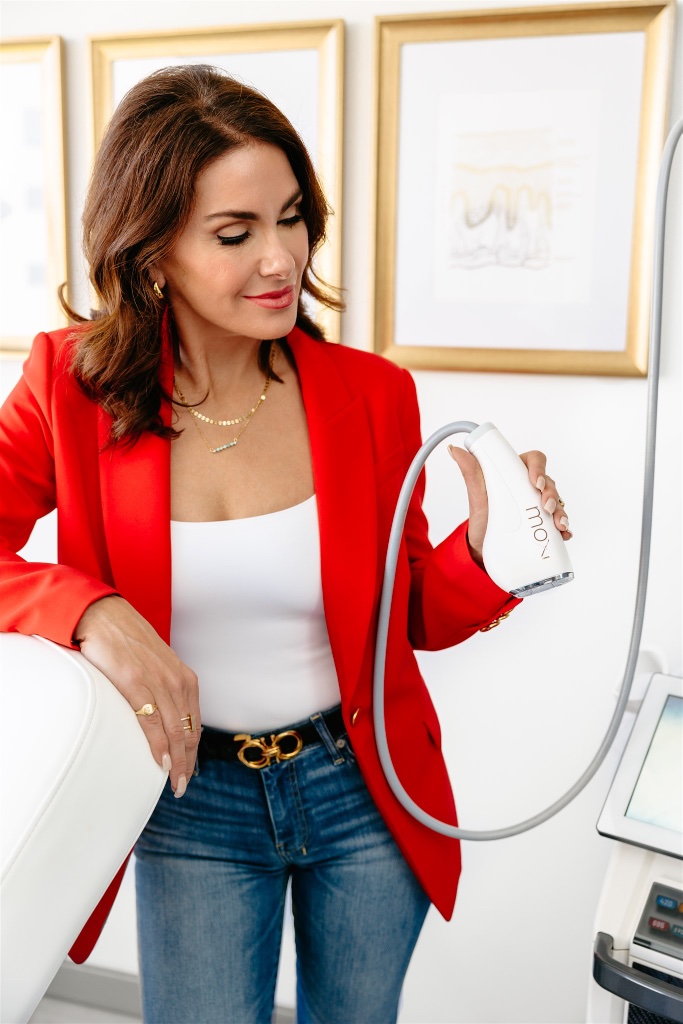
The treatment environment at Youthful Magnolia — where peptide therapy conversations are grounded in clinical intelligence, honest guidance, and genuine individualization.
What to Expect
What a thoughtful peptide
consultation should include.
A thoughtful peptide consultation is not a quick appointment where someone hands you a protocol based on your stated interest. It is a genuine clinical conversation — one that may or may not end with a peptide recommendation, depending on what it reveals. Here is what that process should look like.
Defining the goal
What specifically are you hoping to support? Not broadly, but in a way that can be evaluated and tracked. Goal clarity is the foundation of every other decision in the plan.
Health and wellness review
A thorough review of your health history, current medications, hormonal context, and existing wellness practices. This informs both safety and whether peptide therapy is the right fit.
Honest fit assessment
An honest discussion of whether peptide therapy is actually appropriate for your goals — or whether a different approach would serve you better. A good provider will tell you both.
Realistic expectations
A clear conversation about what peptide support can realistically contribute — the timeline, the degree of impact, and what it cannot replace. This conversation is not a disclaimer — it is the foundation of a good plan.
Personalized protocol design
If peptide therapy is appropriate, a protocol is built around your specific goals and context — not a default recommendation. Specific compounds, specific support goals, specific timelines.
Integration with your broader plan
How does peptide support fit with everything else you are doing — aesthetic treatments, lifestyle practices, other wellness support? The plan should be coherent and integrated, not fragmented.
Follow-up and reassessment
A defined plan for how progress will be evaluated and when the protocol will be revisited. Peptide therapy is not a set-and-forget intervention. The plan should evolve with you.
The YM Approach
How peptide therapy fits
into the Youthful Magnolia philosophy.
Youthful Magnolia is a regenerative aesthetic practice. The philosophy here — which runs through everything from laser treatments to wellness planning — is that the best outcomes come from supporting the body's own capacity for health and restoration, not from surface-level interventions disconnected from the whole person.
Peptide therapy fits this philosophy when it is used intentionally. For the right patient, in the right context, with the right goal, it may support recovery, metabolic wellness, regenerative aesthetic goals, or long-term vitality in ways that complement a broader, thoughtfully integrated plan. It is one intelligent tool in a larger strategic framework — never a default, never a trend recommendation, and never used as a substitute for the real clinical conversations that determine whether it makes sense.
Women who receive care at Youthful Magnolia often note that what they value most is the quality of the clinical thinking — the sense that recommendations are specific, grounded, and genuinely built around them. Peptide therapy, when it fits, is no exception to this standard.
Education first
Every consultation prioritizes your understanding — of what is being recommended, why, and what is realistic.
Evidence-aware
Recommendations reflect what the science actually supports, not what the marketing says it does.
Deeply individualized
No protocols off a shelf. Every plan is built around the specific patient, in their specific context.
Long-term oriented
The goal is durable wellness over time, not optimistic short-term claims.
Why Us
Why Fort Worth women choose
Youthful Magnolia.
Amy Robbins' Leadership
Every peptide consultation is led by Amy personally — a regenerative aesthetic provider with deep clinical expertise and a genuine commitment to individualized, honest care for women.
Real Consultations
Appointments are real conversations — not slots where a protocol is selected from a menu. Amy takes the time to understand who you are before recommending anything.
Personalized Planning
No two plans at Youthful Magnolia look alike. Every recommendation reflects the specific goals, history, and priorities of the individual patient.
Regenerative Medicine Perspective
Peptide therapy exists within a broader regenerative framework here — not as an isolated trend, but as one potential tool in a thoughtful, integrated strategy.
Premium Patient Experience
Care that is premium, personal, and respectful of your intelligence, your time, and your goals — from initial consultation through ongoing support.
Strategy, Not Gimmicks
No trending protocols pushed without reason, no oversimplified recommendations. Honest clinical intelligence — every time.
Common Questions
Peptide therapy for women —
answered honestly.
Are peptides worth it for women?
What is peptide therapy used for in women?
Is peptide therapy personalized for each woman?
How do I know if peptide therapy is right for me?
Can peptide therapy support recovery for women?
Can peptide therapy support metabolic goals for women?
What should I ask before starting peptide therapy?
Why is provider oversight important for peptide therapy?
What happens during a peptide consultation at Youthful Magnolia?
Where can women find personalized peptide therapy in Fort Worth?
Continue Reading
Peptide Therapy in Fort Worth: What's Real, What's Hype, and How to Build the Right Plan
A medically credible guide to understanding peptide therapy — differentiating clinical application from marketing hype, and building a personalized plan under provider oversight.
What Are Peptides Actually Used For? A Fort Worth Guide
A clear, modern guide to understanding what peptide therapy may actually support — and why personalization matters more than trends.
In This Article