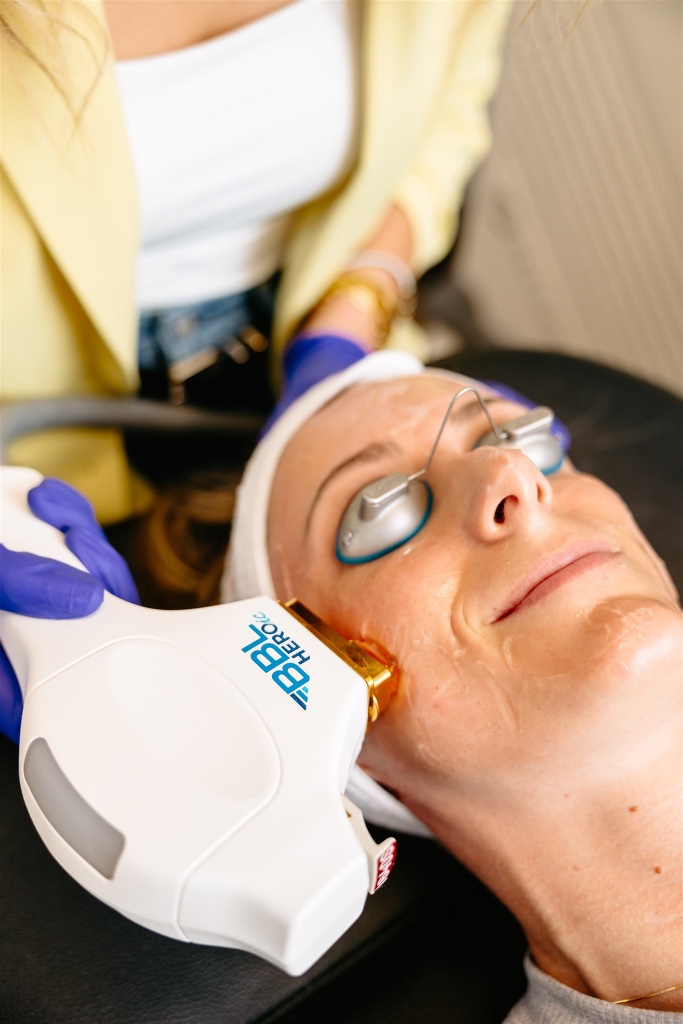
Can You Remove Cosmetic Tattoo or Microblading in Fort Worth? What to Know Before You Start
A modern Fort Worth guide to understanding cosmetic tattoo and microblading removal, what affects fading, and why better planning matters.
 By Amy Robbins, MSNA APRN CRNA FNP-BC 15 min read July 2026Treatment Planning
Many people love the idea of cosmetic tattooing — until the color, the shape, or the long-term result no longer feels right. Removing or correcting that pigment is often more nuanced than anyone expects.
If you are searching for cosmetic tattoo removal Fort Worth or microblading removal Fort Worth, you have probably encountered a confusing mix of information — some of it device-focused, some of it fear-based, and very little of it personalized to what is actually in your skin. The internet tends to treat cosmetic tattoo removal as a simple extension of body tattoo removal. It is not.
Cosmetic tattoo pigment is not always the same as regular body tattoo ink. It is often formulated differently, placed differently, and frequently corrected or layered over time. The brow area is also not just a smaller version of an arm or a shoulder — it is delicate, highly visible facial skin that frames the entire face. The right conversation is not just Can this be removed? The right conversation is: What kind of pigment is this, and what is the smartest way to approach it?
That is the conversation we start with at Youthful Magnolia in Fort Worth. This article is designed to give you an honest, medically grounded understanding of how cosmetic tattoo and microblading removal works conceptually, why brow pigment is a different conversation than body tattoos, and why the best results start with better planning — not with the strongest laser.
Section 01
Can cosmetic tattoo or
microblading be removed?
The honest answer is: in many cases, yes — cosmetic tattoo pigment can be faded, lightened, or removed. But in many cases is not the same as always, and faded is not always the same as completely removed. The right framing matters before any treatment begins.
Goals differ. Some patients want full removal — a clean slate. Others want partial fading to soften an overly dark brow, prepare for rework by a new cosmetic tattoo artist, or reduce the visibility of pigment that has migrated or shifted in color over time. Others are dealing with an unwanted color change — a brow that has turned grey, blue, orange, or red — and want correction rather than removal. These are different goals, and they require different plans.
Not every cosmetic tattoo behaves the same way. A lightly feathered microblading stroke applied once, years ago, is a very different conversation than a densely saturated powder brow that has been touched up and color-corrected multiple times. Treatment must be individualized — not just to the pigment, but to the skin it sits in and the result the patient wants to see. For more on how pigment generally responds to light-based treatment, our guide on tattoo removal in Fort Worth covers the foundational principles.
Treatment goals — not one conversation
What removal can actually mean
The right goal depends on the pigment, the skin, and what the patient wants the brow to look like afterward. Sometimes the most aesthetic outcome is not full removal.
Full removal
The pigment is faded as completely as the skin and pigment composition allow. Realistic for some cosmetic tattoos; not always achievable for dense, layered, or color-shifted pigment.
Significant fading
Substantial lightening that visibly reduces the pigment without full removal — often the most realistic and aesthetically useful endpoint.
Partial fading for rework
Lightening the existing pigment enough to create a cleaner canvas for a new cosmetic tattoo artist to work over.
Color correction
Addressing an unwanted tone shift — such as grey, blue, or orange — without removing the pigment entirely.

The goal is not always full removal. Sometimes the most aesthetic outcome is a carefully controlled fade that respects the face.
Section 02
Why cosmetic tattoo pigment is
different from body tattoo pigment.
This is the section that matters most — and it is the one most providers skip. Cosmetic tattoo pigment and body tattoo pigment share the word tattoo, but they are often fundamentally different materials, placed in fundamentally different skin, for fundamentally different reasons.
Pigment composition differs. Body tattoo inks are typically carbon-based and formulated for bold, long-lasting visibility — saturated blacks, blues, reds, and decorative colors designed to stand out. Cosmetic tattoo pigments are often iron-oxide-based or organic formulations designed to mimic natural features — soft browns, taupes, and warm neutrals meant to look like natural brow hair or shadow. These different compositions absorb and respond to light energy differently.
Placement and intent differ. Cosmetic pigment is often placed more superficially in delicate facial skin — the brow area, which is thin, expressive, and highly visible. Body tattoos are typically placed deeper in thicker, less mobile skin. The aesthetic goals are also different: a body tattoo is decorative, while a cosmetic tattoo frames the face and influences how the patient is seen every day.
Correction history differs. Cosmetic tattoos are frequently touched up, reworked, or color-corrected over the years. A brow that started as a warm brown may have had a cool corrector layered over it, or been re-pigmented after fading. Each correction alters the pigment profile. Body tattoos are usually applied once and far less often color-corrected.
Color behavior under energy differs. This is the most clinically important distinction. Cosmetic pigments are often composite colors — a brown may be made from a blend of red, yellow, and black iron oxides. When light energy fragments certain components more readily than others, the remaining pigment may appear to shift in tone: a brown may become cooler, greyer, warmer, or even darken before it fades. This is why cosmetic tattoo removal requires color monitoring between sessions and why aggressive treatment is rarely the right first step. For a deeper look at why pigment behaves unpredictably, see our guide on why pigment comes back after treatment.
Cosmetic vs body tattoo pigment
Why brow pigment is a different conversation
Directional comparison only — every cosmetic tattoo is unique. These differences are why cosmetic pigment removal requires specialized thinking, not a generic tattoo-removal protocol.
Factor
Cosmetic / Brow Tattoo
Body Tattoo
Pigment composition
Iron-oxide or organic pigments formulated to mimic natural skin and brow tones
Carbon-based or mixed inks formulated for bold, long-lasting visibility
Color intent
Soft browns, taupes, neutrals — designed to look like natural features
Saturated blacks, blues, reds, and decorative colors designed to stand out
Placement depth
Often shallower, in delicate facial skin with expressive movement
Typically deeper, in thicker body skin with less daily movement
Correction history
Frequently touched up, color-corrected, or reworked over years
Usually applied once, occasionally covered but less often color-corrected
Aesthetic stakes
Frames the face — high visibility, symmetry is critical
Decorative — symmetry matters but does not frame facial expression
Color behavior under energy
May shift tone or darken before fading — composite pigments behave unpredictably
Typically fragments more predictably — black and dark inks absorb broadly
Section 03
What affects how difficult
cosmetic pigment is to fade.
Seven variables that determine fading complexity — and why two brow tattoos can behave very differently.
Pigment color
Cosmetic tattoo pigments are often formulated in softer, flesh-toned, or iron-oxide-based shades — browns, taupes, and warm neutrals designed to mimic natural brow hair. These colors can behave very differently than standard tattoo ink under light energy. Some cosmetic pigments may darken or shift in tone when exposed to certain wavelengths rather than fading cleanly.
Saturation & density
A lightly feathered microblading stroke may respond differently than a densely saturated powder brow or ombre brow that was built up over multiple sessions. Density influences how much pigment the skin must process between treatments and how gradually fading occurs.
Age of the cosmetic tattoo
Older cosmetic pigment has often undergone some natural fading and migration over time. A fresh, heavily saturated brow tattoo may require more thoughtful sequencing than a faded, older piece. However, age alone does not determine response — color and composition matter equally.
Layering & correction history
Many cosmetic tattoos have been touched up, reworked, or color-corrected over the years. Each correction may add pigment at varying depths, creating a layered profile that requires more careful planning than a single, untouched piece.
Placement in the brow area
The brow sits on thin, highly visible facial skin surrounded by expressive muscle movement. This placement demands more precise parameters than a body tattoo on thicker, less mobile skin. The aesthetic stakes are also higher — the brow frames the entire face.
Skin behavior & biology
Facial skin heals differently than body skin. Individual immune response, skin type, sensitivity, and prior reactivity all influence how the skin tolerates treatment and how pigment clears between sessions. The face is not simply a smaller canvas — it is a different biological environment.
Previous removal or correction attempts
If a cosmetic tattoo has already been lasered, saline-treated, or color-corrected, the pigment profile has been altered. Previous attempts may have shifted the color, partially fragmented particles, or introduced scarring — all of which change what the next step should be.
Why two brows behave differently
A lightly feathered microblading stroke applied once, years ago, on well-rested skin may fade very differently than a dense, multi-layered powder brow that has been color-corrected twice and sits on skin that has been exposed to years of sun and retinol. No single factor determines the outcome — it is the interaction of color, density, age, correction history, placement, skin behavior, and prior attempts. This is why an in-person assessment is irreplaceable, and why no provider should give you a precise estimate from a photo alone.

Understanding what is in the skin — and how it got there — is the foundation of any honest cosmetic tattoo correction plan.
Section 04
Why brow-area treatment requires
more careful planning.
The brow area is not just a small treatment zone — it is the visual anchor of the face. Brows frame the eyes, influence perceived expression, and play a defining role in facial symmetry. When pigment in this area needs to be corrected, the aesthetic stakes are far higher than with a body tattoo that can be easily covered.
This visibility means that subtle, controlled change is often preferable to aggressive treatment. A brow that fades gradually and predictably — even if it takes more sessions — is almost always a better aesthetic outcome than a brow that is treated aggressively and develops unwanted color shifts, texture changes, or unevenness. Patience is not just a virtue in brow-area treatment; it is a clinical strategy.
Shape and symmetry matter as much as pigment. A cosmetic tattoo removal plan is not only about how much pigment comes out — it is about how the brow looks as the process unfolds. Uneven fading, partial clearing in one area but not another, or a color shift that makes one brow look different from the other can all create new aesthetic problems even as the original one is being solved. A careful plan accounts for symmetry throughout the process.
The skin itself is also different. Brow-area skin is thin, sits over expressive muscle, and is close to the eye. These realities demand more conservative parameters, more attention to skin response, and more thoughtful sequencing than body tattoo removal. A provider who treats the brow with the same intensity as a shoulder tattoo is not respecting the anatomy. Supporting overall skin health — through the treatments in our Facials & Skin program — can also play a role before, during, and after any corrective process.
Realistic framing for cosmetic pigment timelines
Lightly feathered microblading
Often more responsive
Less ink depth and density typically means the skin has less material to process — but color composition and skin type still shape the outcome.
Single-session powder or ombre brow
Moderate range
Denser saturation responds well to appropriate planning, but requires session spacing and careful color monitoring to avoid unwanted shifts.
Multi-layered or corrected cosmetic tattoo
Extended planning
Layered pigment, prior color corrections, and reworked strokes create a more complex fading profile that requires patient, thoughtful sequencing.
Previously lasered or saline-treated brow
Highly variable
Altered pigment, possible prior skin changes, and unpredictable color behavior make this the most individualized conversation of all.
These ranges are directional only — individual results vary significantly based on all factors discussed above. No estimate without direct, in-person evaluation is reliable.
Section 05
Amy Robbins on cosmetic tattoo removal —
what she wants patients to understand first.
Correction and removal should be approached with precision, not urgency. The patients who have the best experiences with cosmetic tattoo removal are the ones who understood, before they started, that this is a process — not a single appointment — and that the face deserves more thought than the shoulder.
Better outcomes come from understanding what kind of pigment is present and what the patient actually wants changed. Is the goal to remove the pigment entirely? To lighten it enough for a new artist to rework? To correct an unwanted color shift? Each of these is a different plan. A consultation that skips this question and jumps straight to a treatment promise is not giving you the conversation you need.
Cosmetic tattoo removal is not just about getting pigment out of the skin — it is about respecting the face. The brow frames the eyes and shapes the entire expression. Aggressive treatment that ignores color behavior, symmetry, and skin health can create a new problem that is harder to solve than the original one. The most skilled approach is often the most restrained one.
Advanced technology matters most when it is matched thoughtfully to the case. A picosecond platform is a powerful tool — but its value is realized only when it is used at the right time, on the right pigment, with the right parameters, by a provider who understands cosmetic pigment behavior and facial skin safety. Technology without judgment produces unpredictable results. Technology with judgment creates better, safer, more aesthetic outcomes.
“Cosmetic tattoo removal is a very different conversation than standard tattoo removal. The brow area frames the face, so the goal is not just fading pigment — it’s creating the cleanest, most thoughtful correction path possible.”
Amy Robbins
MSNA · APRN · CRNA · FNP-BC · Founder, Youthful Magnolia
Section 06
When advanced pigment-breaking technologies
may enter the conversation.
For many patients considering cosmetic tattoo removal, the question of which technology a practice uses is one of the first they ask. Advanced pigment-focused technologies may broaden options for select cosmetic tattoo cases — particularly those involving dense pigment, stubborn color shifts, or pigments that have not responded to initial approaches.
Picosecond-style platforms represent a meaningful evolution in how pigment particles are fragmented. Rather than relying primarily on thermal energy, picosecond technology uses a photoacoustic effect — delivering energy so rapidly that pigment particles fracture from mechanical shock, with potentially less heat transferred to surrounding skin. For delicate brow-area skin, this reduced thermal footprint may be clinically relevant.
But advanced technology is not appropriate for every cosmetic tattoo. Cosmetic pigment composition, color behavior, and facial skin type must guide the decision — not the other way around. For some patients, picosecond-style pigment-breaking platforms may become part of the conversation. For others, a more conservative approach is the better path. The technology is a tool; the treatment plan is what determines the outcome.
Consultation helps determine whether advanced pigment-targeting technology is appropriate for your specific case. Platforms like Picofy by InMode represent the kind of advanced picosecond technology that may enter that conversation — but the decision begins with understanding the pigment in front of us, not with the device. For the broader context of our laser capabilities, explore our full Laser Treatments platform.
Technology, in context
Advanced pigment-breaking platforms are not a shortcut around thoughtful planning — they are precision tools that expand what skilled providers can do for the right cosmetic tattoos. Their value is realized when matched to a specific pigment profile by a provider who understands cosmetic pigment behavior, facial skin safety, and realistic treatment sequencing. Learn more about Picofy by InMode →
Section 07
What a cosmetic tattoo removal
consultation should include.
Before any treatment begins — regardless of where you choose to have it done — the consultation should cover all of the following. If it does not, ask why.
Direct brow and pigment assessment
The provider should examine the cosmetic tattoo in person — evaluating pigment color, apparent density, any visible migration or color shift, and the overall character of the brow. A consultation conducted from a photo alone is insufficient for cosmetic pigment.
Age, color, density, and correction history
The consultation should address when the cosmetic tattoo was applied, whether it has been touched up or color-corrected, how dense the saturation appears, and what colors are present. These factors shape the entire treatment approach.
Clear review of your goals
Do you want full removal, partial fading for rework, or color correction? Each goal requires a different plan. If the provider does not ask what you want the end result to look like, the consultation is incomplete.
Whether full removal or partial fading is realistic
The consultation should clarify what is achievable for your specific pigment and skin. If complete removal is unlikely, you should be told that honestly — and partial fading or correction should be discussed as the more appropriate goal.
Realistic expectations and color behavior
The provider should explain how your pigment may respond — including the possibility of color shifts before fading — and provide a realistic treatment calendar with session spacing rationale. Any provider who guarantees a precise number of sessions warrants caution.
Whether advanced pigment-breaking technology is appropriate
The consultation should explain which technology or approach is being considered and why. For dense or color-shifted pigment, advanced pigment-targeting technology like picosecond platforms may broaden treatment pathways — and understanding which tools are available is part of an informed decision.
Brow-area safety and skin health planning
A responsible plan includes Fitzpatrick skin type assessment, attention to the proximity of the eye, discussion of skin health support before and after treatment, and aftercare guidance specific to the brow area. Safety in facial treatment is non-negotiable.
Section 08
Why Fort Worth patients
choose Youthful Magnolia.
Fort Worth patients choose Youthful Magnolia because we approach aesthetic medicine differently. We are not a volume practice. We are not device-driven. We are a founder-led clinic where every treatment plan begins with understanding the person in front of us — their skin, their concerns, their goals, and their life.
Amy Robbins built Youthful Magnolia on a simple principle: that advanced technology is only as good as the thinking behind it. In cosmetic tattoo removal — where the wrong approach can lead to color shifts, uneven fading, and new aesthetic problems that are harder to solve than the original — that principle matters profoundly. When we recommend a plan, it is because we have assessed your specific pigment, considered the alternatives, and determined that this is genuinely the right approach for you.
Our patients value the experience as much as the outcomes: a calm, unhurried environment where questions are welcomed, expectations are set honestly, and the focus is always on realistic, strategic results that respect the face. We do not chase trends. We do not overpromise. We build plans that are designed to produce real, sustainable improvement — and we approach cosmetic pigment correction with the same restraint, realism, and customization that guides everything we do.
If you are in Fort Worth and exploring cosmetic tattoo or microblading removal — or simply trying to understand what a realistic plan might look like for your specific brow — we welcome you to begin with a consultation at Youthful Magnolia.
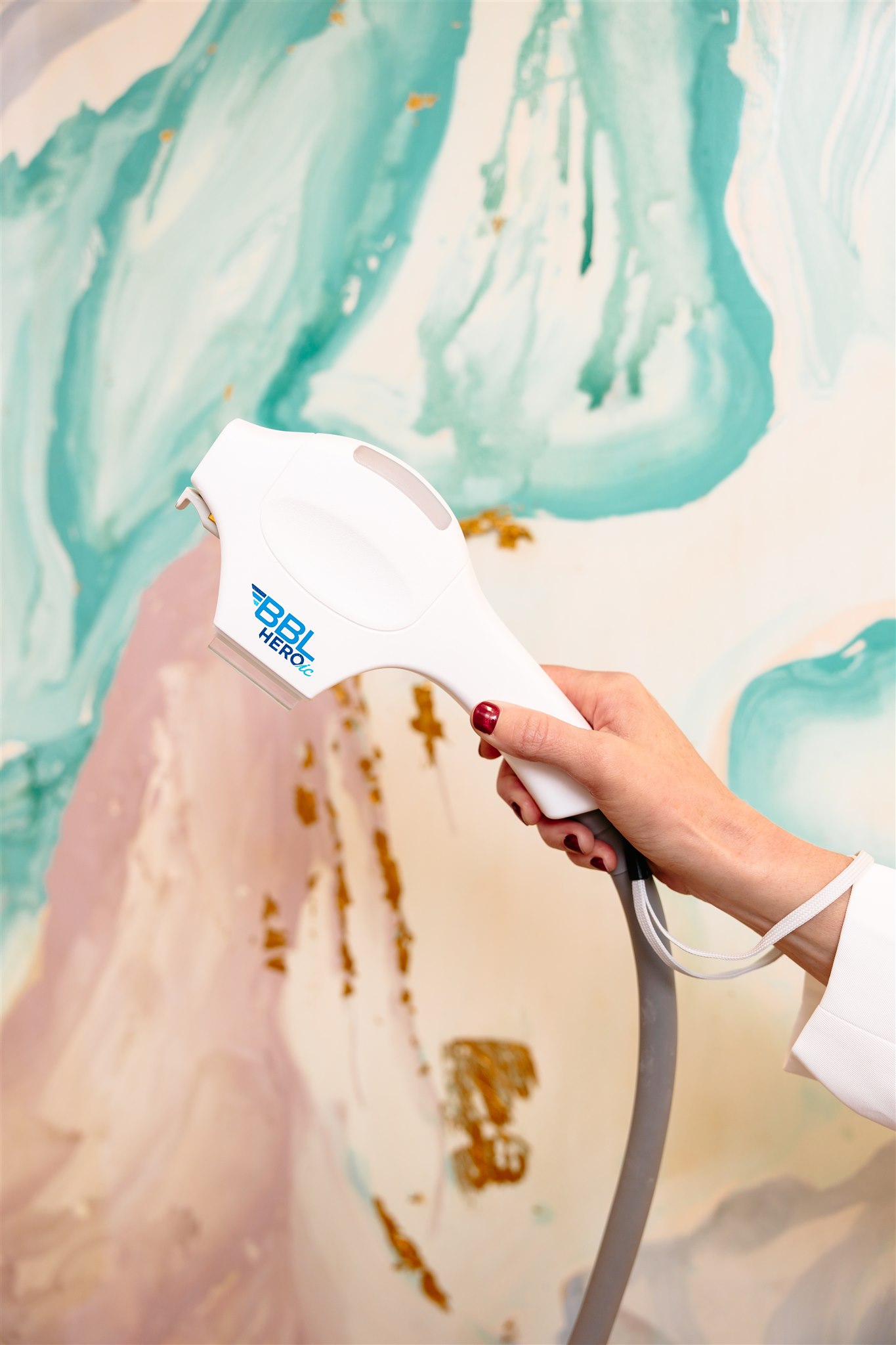
The best outcomes come from matching the right approach to the right brow — with a plan that respects the face.
Common Questions
Cosmetic tattoo removal questions —
answered honestly.
Can microblading be removed?
Can cosmetic tattoos be removed?
Is cosmetic tattoo removal the same as body tattoo removal?
What affects how easily brow pigment fades?
Can old microblading be corrected?
Can you partially fade a brow tattoo?
What if my cosmetic tattoo has already been corrected once?
Are advanced picosecond lasers ever used for cosmetic tattoo removal?
What should a cosmetic tattoo removal consultation include?
Where can I get cosmetic tattoo removal in Fort Worth?
Why does cosmetic pigment sometimes change color instead of just fading?
Is cosmetic tattoo removal safe for the brow area?
Related Services
Picofy by InMode
An advanced picosecond laser platform for pigment, cosmetic tattoos, and skin renewal — one of the technologies that may enter the conversation for select cosmetic tattoo cases.
Laser Treatments
Our full advanced laser platform — the foundation of light-based skin treatment at Youthful Magnolia.
Facials & Skin
Comprehensive skin health treatments to support brow-area skin quality before, during, and after any corrective process.
Book a Consultation
Begin the conversation. A cosmetic tattoo removal consultation is always the right first step toward a realistic plan.
Your Provider
Amy
Robbins
MSNA · APRN · CRNA · FNP-BC
Begin the ConversationCosmetic tattoo correction is not about which device you use — it is about understanding what kind of pigment is in the skin, how it is going to respond, and building a correction path that respects the face.
— Amy Robbins, Founder · Youthful Magnolia
Youthful Magnolia · Fort Worth, TX
Ready for a more informed
cosmetic tattoo correction conversation?
If you’re exploring cosmetic tattoo or microblading removal in Fort Worth, our team can help you understand what affects fading, what a realistic plan may look like, and whether advanced pigment-targeting technology may fit your goals.