Hormone Optimization
A Guide to Hormone Optimization
Hormone optimization is a term used broadly in wellness conversations. This guide explains what it means in a medical context, how hormone evaluation works, what treatment options exist, and what to consider before making decisions about hormone care.
Table of Contents
What Is Hormone Optimization?
Hormone optimization is a broad term used in wellness and medical conversations to describe approaches that aim to support healthy hormone function. The term means different things to different people, and it is not a specific medical diagnosis or a single standardized treatment.
In a responsible medical context, hormone optimization is not about maximizing laboratory values or pursuing a single “ideal” hormone level. There is no universally optimal hormone level that applies to everyone. Appropriate hormone care is based on clinical context — your symptoms, health history, life stage, and individual circumstances — rather than simply attempting to push laboratory numbers toward the upper end of a reference range.
Understanding what hormone optimization means — and what it does not mean — is the first step in making informed decisions about whether hormone evaluation is appropriate for you.
What Do Hormones Do?
Hormones are chemical messengers produced by glands throughout the body. They travel through the bloodstream and help regulate a wide range of functions, including:
- Metabolism and energy
- Growth and development
- Reproductive function
- Sleep cycles
- Mood and well-being
- Body composition and muscle
- Bone health
- Sexual wellness and libido
- Stress response
- Temperature regulation
Hormones work as part of an interconnected system. They do not act in isolation — changes in one hormone can affect others, and many hormones are influenced by factors beyond the glands that produce them, including sleep, stress, nutrition, medications, and overall health.
This interconnectedness is why hormone care should be based on a comprehensive evaluation rather than a single laboratory value viewed in isolation.
Why Might Someone Seek a Hormone Evaluation?
People consider hormone evaluation for many reasons. Common concerns that prompt someone to explore hormone health include:
Menstrual Changes
Changes in cycle pattern, regularity, or flow
Perimenopause
The transition toward menopause and its associated changes
Menopause
Life after the final menstrual period
Sexual Wellness
Changes in libido, comfort, or satisfaction
Energy
Persistent changes in energy or fatigue
Sleep
Changes in sleep quality or patterns
Body Composition
Changes in weight, muscle, or fat distribution
Testosterone Concerns
Questions about testosterone in men
These concerns are nonspecific. That means each one can have many possible causes — hormonal and non-hormonal. Experiencing one or more of these changes does not automatically mean your hormones are “out of balance,” nor does it mean hormone treatment is needed. A consultation helps determine what may be contributing.
Have questions about changes you’re experiencing?
Explore personalized hormone evaluation through virtual care.
What Happens During a Hormone Evaluation?
A hormone evaluation is a clinical process — not simply a blood test. It involves gathering information about your individual situation and interpreting it in context. Your provider may consider:
- Your symptoms and when they began
- Your complete medical history
- Current medications and supplements
- Your life stage and age
- Lifestyle factors — sleep, activity, nutrition, stress
- Relevant health conditions
- Appropriate laboratory testing when clinically indicated
- Clinical interpretation of results in context
The goal of evaluation is understanding — not simply producing a set of numbers. Laboratory results are interpreted alongside your symptoms and history, not in isolation. A value outside a reference range does not automatically mean something is wrong, and a value within range does not automatically mean everything is fine.
This is why evaluation before treatment matters. Understanding the full clinical picture helps ensure that any recommendations are appropriate for your individual situation.
Do You Need Hormone Testing?
Whether hormone testing is appropriate depends on your clinical situation. Testing is not universally necessary for everyone, and not everyone who has concerns about their hormones needs a comprehensive laboratory workup.
Your provider may recommend testing when clinically indicated — for example, to gather additional information, to rule out certain conditions, or to monitor treatment when it has been initiated. But testing is a tool that supports clinical decision-making; it is not a starting point or an end in itself.
It is also important to understand that hormone levels naturally fluctuate. They vary throughout the day, across the menstrual cycle, and with age. A single measurement may not represent your typical levels. In some cases, repeat testing is appropriate to confirm a finding or to track changes over time.
For a more detailed discussion, see our article on hormone testing.
What Treatment Options Exist?
Treatment options fall into several broad categories. The appropriate approach depends on your individual evaluation, symptoms, health history, risk factors, and goals. There is no standard protocol that applies to everyone.
Lifestyle Strategies
Sleep, nutrition, physical activity, and stress management may support overall well-being and may be relevant to how you feel. These are often discussed as part of a comprehensive approach.
Symptom-Specific Approaches
Some strategies target specific symptoms — such as sleep changes, energy, or sexual wellness — rather than addressing all concerns through a single intervention.
Hormone Therapy (When Appropriate)
Hormone therapy may be discussed when clinically appropriate. Whether it is appropriate depends on individual health history, risk factors, symptoms, and goals. Hormone therapy is not universally necessary or appropriate for everyone.
Non-Hormonal Options
For those who prefer non-hormonal approaches or for whom hormonal treatment is not appropriate, non-hormonal options may be discussed. These vary depending on the symptoms being addressed.
Coordination With Other Providers
Some concerns may warrant coordination with or referral to a specialist — such as an endocrinologist, gynecologist, urologist, or sleep specialist — depending on the situation.
Ongoing Monitoring
When treatment is initiated, follow-up allows your provider to evaluate your response, monitor for any concerns, and make appropriate adjustments over time.
Your provider can help you understand which categories may be most relevant to your situation and what the potential benefits and considerations of each might be. Not every category will be appropriate or recommended for every person.
What About Hormone Therapy?
Hormone therapy — the use of hormones as medical treatment — may be appropriate for certain patients when clinically indicated. It is not universally necessary, appropriate, or safe for everyone.
Whether hormone therapy may be an option depends on your individual evaluation, including your symptoms, health history, risk factors, and goals. For some patients, hormone therapy may provide meaningful benefit. For others, it may not be appropriate due to health conditions, risk factors, or personal preferences.
Balanced education about hormone therapy includes understanding both potential benefits and potential risks. It also includes understanding that alternatives exist — including non-hormonal approaches and lifestyle strategies — and that hormone therapy is one option among several, not a default.
For a more detailed discussion, see our article on hormone therapy. For information about the term “bioidentical,” see our article on bioidentical hormones.
Hormone Health for Women
Women’s hormone health spans multiple life stages, from reproductive years through perimenopause and menopause. Hormonal changes during these transitions — particularly involving estrogen and progesterone — may contribute to changes in how women feel, though they are rarely the only factor.
Common topics women bring to a hormone consultation include menstrual changes, hot flashes, night sweats, sleep changes, mood changes, changes in sexual wellness, and changes in body composition. Each of these concerns can have multiple potential causes, and appropriate evaluation considers the whole picture.
For women navigating perimenopause or menopause, our Perimenopause Guide provides a more detailed resource. For broader women’s wellness care, explore Women’s Wellness.
Hormone Health for Men
Men’s hormone health often centers on testosterone, though testosterone is one of several hormones that play a role in men’s well-being. Testosterone levels naturally change with age, and some men may notice changes in energy, body composition, libido, or mood that prompt questions about testosterone.
However, the symptoms commonly associated with low testosterone — fatigue, changes in body composition, low libido, mood changes — are nonspecific. They can have many causes beyond testosterone, including sleep, stress, nutrition, medications, underlying health conditions, and lifestyle. A symptom does not automatically mean low testosterone, and low testosterone does not automatically mean treatment is needed.
For a more detailed discussion, see our articles on low testosterone and testosterone therapy. For broader men’s wellness care, explore Men’s Wellness.
Can Hormone Care Be Done Through Telehealth?
For eligible patients in states where a provider is licensed, portions of hormone evaluation and care may be conducted through telehealth, including:
- Initial consultation and discussion of your concerns
- Review of your medical history
- Ordering laboratory testing when clinically indicated
- Review of results and discussion of options
- Follow-up conversations when treatment has been initiated
However, medication is never prescribed solely from an online questionnaire. Treatment decisions require individual evaluation, and some situations may require in-person care, laboratory testing, or specialist referral. Your provider can help determine what type of visit is appropriate for your situation.
If you are interested in exploring virtual care, Youthful Magnolia offers virtual consultations for hormone evaluation and related wellness concerns.
Amy's Perspective
This section requires manual review and approval by Amy Robbins before publication. Amy’s personal perspective on hormone optimization will be added here.
What We Discuss With Patients
During a consultation, the conversation typically includes your symptom pattern, timeline, health history, lifestyle, and goals. The goal is not to apply a generic protocol but to understand your individual experience and discuss what approaches may be appropriate for you — which may or may not include hormone therapy.
Youthful Magnolia Takeaway
Hormone optimization is not about chasing a number or assuming that hormones explain every change you experience. It is about understanding the whole picture — your symptoms, history, lifestyle, and goals — and determining what evaluation, if any, is appropriate. Whether through lifestyle strategies, hormone therapy when clinically indicated, or other approaches, the goal is an individualized plan that reflects your situation.
Frequently Asked
Frequently Asked Questions
References
References
References for this article are being curated and verified by our clinical team from authoritative sources including the National Institutes of Health (NIH), the Food and Drug Administration (FDA), the American College of Obstetricians and Gynecologists (ACOG), The Menopause Society, the Endocrine Society, the American Urological Association, and peer-reviewed medical literature. Verified citations will be added upon completion of medical review.
This content is provided for general educational purposes and is not a substitute for individualized medical advice, diagnosis, or treatment. Treatment decisions should be made with an appropriately licensed healthcare professional after individual evaluation.
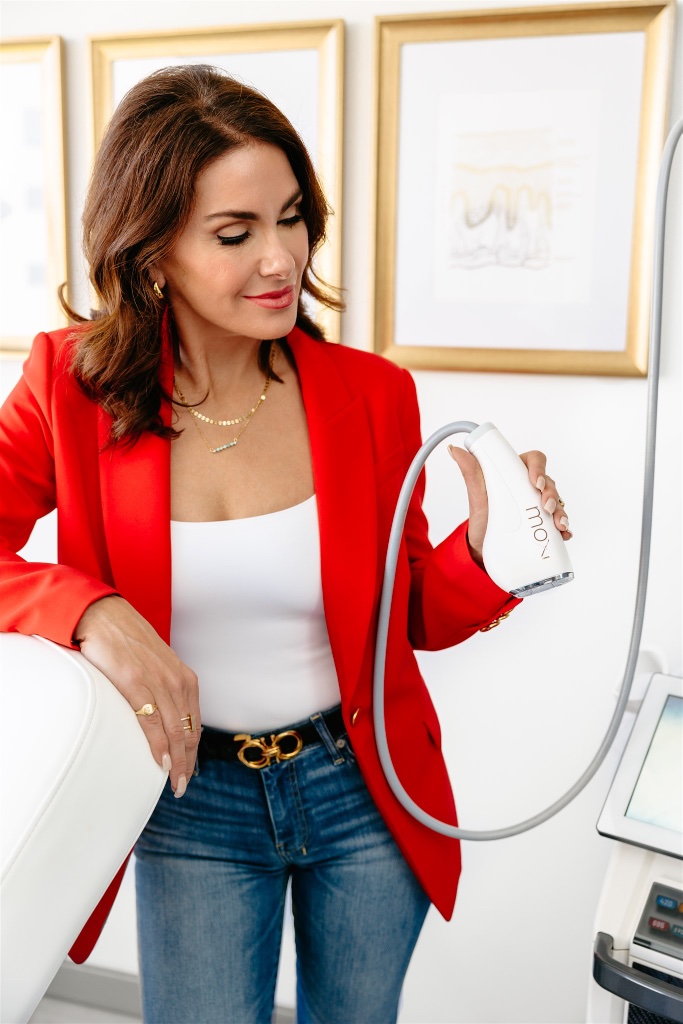
Your Provider
Amy Robbins, MSNA, APRN, CRNA, FNP-BC
Amy Robbins is board-certified as a Family Nurse Practitioner and Certified Registered Nurse Anesthetist. Her approach blends evidence-based medicine with a genuinely personal, patient-first philosophy. Every consultation is thorough, unhurried, and grounded in your individual health history, symptoms, and goals.
View Full Provider ProfileReady to Talk?
Start With a Personalized Evaluation
If you have questions about changes you’re experiencing, our team is here to help. Start with a consultation to discuss your individual situation.
Request a Hormone Consultation