Sun Spots vs. Melasma: How Can You Tell the Difference?
Not all brown spots are the same. Sun spots and melasma can look similar but differ in their causes, patterns, and treatment considerations.
What is the difference between sun spots and melasma? Sun spots, often called solar lentigines, are commonly associated with cumulative sun exposure and may appear as relatively well-defined areas of increased pigmentation. Melasma is a pigmentation condition that often produces broader or patchy areas of discoloration, frequently involving the face, and is influenced by several factors including ultraviolet and visible light exposure, hormonal influences, and individual susceptibility. Although their appearance may differ, sun spots and melasma can overlap with other skin conditions. Appearance alone cannot reliably establish a diagnosis. New, changing, unusual, or concerning pigmented lesions should be evaluated by an appropriately qualified clinician before cosmetic treatment.
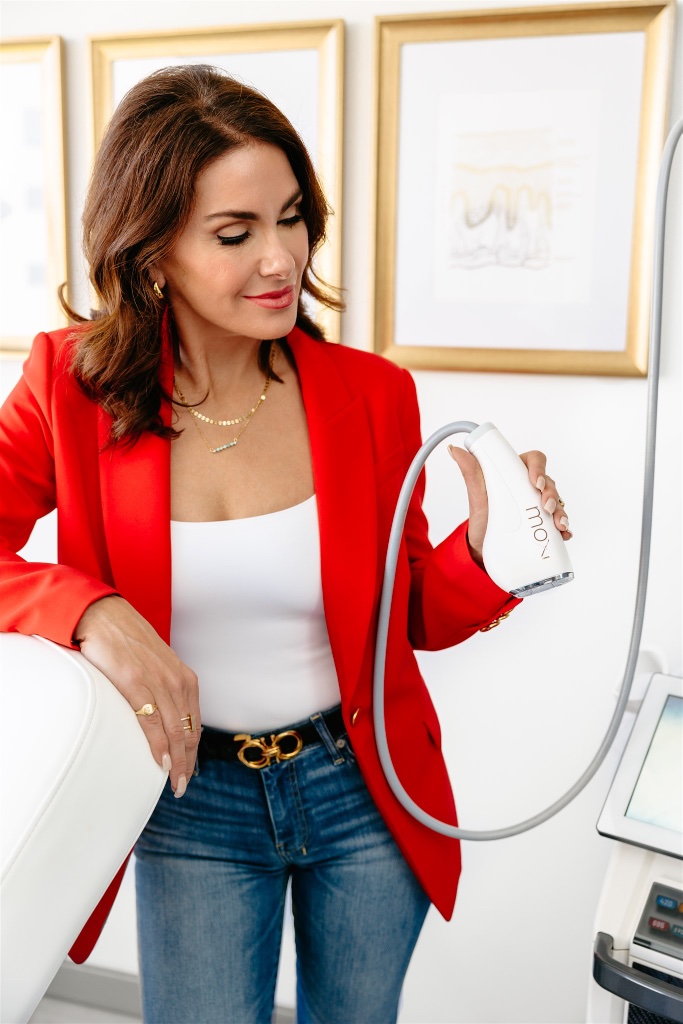
Written by
Amy Robbins, MSNA, APRN, CRNA, FNP-BC
Sun Spots vs. Melasma: Key Differences
| Feature | Sun Spots | Melasma |
|---|---|---|
| Definition | A general consumer term for flat, pigmented spots often associated with cumulative sun exposure. Also called solar lentigines. | A specific acquired pigmentation condition often producing broader, patchy areas of discoloration, frequently on the face. |
| Typical appearance | Often well-defined, relatively uniform areas of increased pigmentation. | Often patchy, sometimes symmetric, with less defined borders. |
| Common locations | Sun-exposed areas: face, hands, arms, chest, shoulders. | Often facial: cheeks, forehead, upper lip, chin. Can occur elsewhere. |
| Contributing factors | Cumulative UV exposure, aging, individual susceptibility. | UV and visible light, hormonal influences, genetics, other factors. |
| Relationship to sun | Strongly associated with cumulative sun exposure over time. | Sun and visible light can trigger and worsen; not solely sun-driven. |
| Relationship to hormones | Not primarily hormone-related. | Hormonal influences may contribute for some individuals. |
| Pigmentation pattern | Often discrete, individual spots. | Often broader patches or confluent areas. |
| Potential recurrence | May recur with ongoing sun exposure. | May recur frequently; often requires ongoing management. |
| Treatment considerations | Selected benign lesions may be treated after evaluation. | Often more complex; requires careful selection and risk assessment. |
| Why diagnosis matters | Appearance alone cannot confirm diagnosis or rule out other conditions. | Appearance alone cannot confirm; other conditions can resemble melasma. |
| When medical evaluation is needed | New, changing, or unusual lesions require evaluation. | Diagnosis should be confirmed before cosmetic treatment. |
This table is for general educational purposes only. Appearance alone cannot confirm either condition or rule out skin cancer. New, changing, or concerning lesions require medical evaluation.
What Are Sun Spots?
"Sun spots" is a general consumer term for flat, pigmented spots that are commonly associated with cumulative sun exposure. In clinical language, these are often called solar lentigines. They are among the most common pigmentation concerns adults develop over time.
The term "sun spots" is imprecise. People may use it to refer to various pigmented spots, and not every spot called a "sun spot" is necessarily a solar lentigo. Some individuals use the term "age spots" interchangeably. Individual variation is significant — some people develop many sun spots; others develop relatively few.
What Is Melasma?
Melasma is a specific acquired pigmentation condition that often produces broader or patchy areas of discoloration, frequently on the face. It is influenced by several factors, including ultraviolet and visible light exposure, hormonal influences, and individual susceptibility.
Melasma is not caused only by hormones. While hormonal factors may contribute for some individuals, UV and visible light exposure and genetics also play important roles. Attributing melasma solely to hormones would be inaccurate.
Melasma is one specific condition that causes hyperpigmentation. Not all facial pigmentation is melasma, and appearance alone cannot confirm the diagnosis.
Sun Spots vs Melasma: What's the Biggest Difference?
The biggest difference lies in their causes and patterns. Sun spots are strongly associated with cumulative UV exposure and often appear as relatively well-defined individual spots on sun-exposed areas. Melasma often produces broader, patchy areas of pigmentation, frequently on the face, and may be influenced by hormonal factors and visible light in addition to UV exposure.
These differences matter because treatment approaches differ. What may be appropriate for a diagnosed solar lentigo may not be appropriate for melasma — and vice versa. Recurrence patterns also differ, with melasma often requiring ongoing management. This is why proper evaluation before any cosmetic treatment is essential.
What Do Sun Spots Typically Look Like?
Sun spots may appear as flat, well-defined areas of increased pigmentation. They are often relatively uniform in color within an individual spot. Common descriptions include tan, brown, or dark brown flat marks.
However, many conditions can resemble sun spots, including other benign lesions and, in some cases, concerning lesions that require medical evaluation. Visual features described here are not diagnostic criteria for readers. A qualified clinician evaluates each lesion individually.
What Does Melasma Typically Look Like?
Melasma often appears as patchy areas of pigmentation that may be symmetric. Common facial distributions include the cheeks, forehead, upper lip, and chin. The pigmentation may be broader and less defined than individual sun spots.
Not all melasma looks identical. Appearance can vary by individual, skin type, and other factors. Some forms are more superficial; others involve deeper pigmentation. Appearance alone cannot confirm melasma — diagnosis requires clinical evaluation.
Where Do Sun Spots Usually Appear?
Sun spots commonly appear on areas that receive the most sun exposure over time: the face, hands, arms, chest, and shoulders. These are areas where cumulative UV damage tends to accumulate.
Location alone does not determine diagnosis. Pigmented spots can appear in many areas, and the same body region can host different types of pigmentation. A clinician considers location alongside other factors during evaluation.
Where Does Melasma Usually Appear?
Melasma most commonly appears on the face, particularly the cheeks, forehead, upper lip, and chin. Some patterns also involve the jawline. Symmetric distribution is common but not universal.
While melasma is most associated with the face, it can occur elsewhere. It does not occur only on the face. Location alone cannot confirm or rule out melasma.
What Causes Sun Spots?
Sun spots are associated with cumulative ultraviolet exposure over time. UV radiation can stimulate pigment-producing cells, leading to increased pigmentation in affected areas. Aging and individual susceptibility also play roles — some people are more prone to developing sun spots than others.
The relationship between sun exposure and pigmentation is well-established in dermatology. However, not every pigmented spot on sun-exposed skin is a sun spot. Other conditions can produce similar-appearing pigmentation.
What Causes Melasma?
Melasma has multiple contributing factors. Ultraviolet exposure and visible light can trigger and worsen melasma. Hormonal influences — including pregnancy, hormonal medications, and hormonal changes — may contribute for some individuals. Genetic susceptibility also plays a role.
The exact mechanisms of melasma are not fully understood and remain an area of ongoing research. Some factors are well-established in clinical literature; others are less clearly defined. It is important to distinguish established findings from uncertain mechanisms.
Can Hormones Cause Brown Spots?
Hormonal influences may contribute to some pigmentation conditions, including melasma. Hormonal changes during pregnancy, with certain medications, or during life transitions may influence pigmentation in some individuals.
However, not all facial pigmentation is hormone-related. Sun spots, post-inflammatory hyperpigmentation, and other conditions can cause brown spots independently of hormonal status. Attributing all facial pigmentation to hormones would be inaccurate.
For more on how hormonal changes may affect skin, see our article on perimenopause skin changes.
Can Pregnancy Trigger Melasma?
Melasma is sometimes called "the mask of pregnancy" because hormonal changes during pregnancy may contribute to pigmentation changes in some women. Not all pregnant women develop melasma, and not all melasma is related to pregnancy.
Do not pursue cosmetic procedures for pigmentation during pregnancy without guidance from a qualified healthcare professional. Hormonal status, pregnancy, and breastfeeding are important considerations in treatment planning. Many cosmetic treatments are not recommended during pregnancy.
Can Perimenopause Affect Pigmentation?
Hormonal changes during perimenopause may influence some skin concerns, but pigmentation has multiple possible causes. Perimenopause does not automatically cause melasma. Sun exposure remains a major factor in pigmentation regardless of hormonal status.
For a broader discussion of how hormonal transitions may affect skin, see our article on perimenopause skin changes.
Can Sun Spots and Melasma Occur Together?
Yes. Different pigmentation conditions may coexist on the same person. An individual may have sun spots on the hands and melasma on the face, or both types of pigmentation in the same area.
This is one reason why a proper assessment is important before any cosmetic treatment. Treating multiple pigmentation concerns requires understanding what each lesion is and selecting appropriate approaches for each.
Melasma vs Hyperpigmentation: What's the Difference?
Hyperpigmentation is a broad term describing any increase in pigmentation. It is not a specific diagnosis. Many conditions cause hyperpigmentation, including sun spots, melasma, post-inflammatory hyperpigmentation, and others.
Melasma is one specific condition that causes hyperpigmentation. Not all hyperpigmentation is melasma. Understanding this distinction helps explain why a single "hyperpigmentation treatment" does not exist — treatment depends on the underlying cause.
What Is Post-Inflammatory Hyperpigmentation?
Post-inflammatory hyperpigmentation (PIH) is pigmentation that develops after inflammation or injury to the skin. Common triggers include acne, irritation, cuts, burns, and certain skin treatments. PIH often appears as flat areas of increased pigmentation at sites of previous inflammation.
PIH differs from melasma and solar lentigines. It is triggered by inflammation rather than primarily by sun exposure or hormones. However, sun exposure can darken PIH. For a detailed discussion, see our article on post-inflammatory hyperpigmentation.
Why Do Brown Spots Keep Coming Back?
Brown spots may recur for several reasons: ongoing sun exposure, the natural recurrence pattern of certain conditions like melasma, individual susceptibility, treatment limitations, and sometimes incomplete or incorrect diagnosis.
Recurrence does not always mean a treatment failed. It may reflect continued UV exposure, the chronic nature of a condition like melasma, or individual factors. Consistent sun protection and ongoing management are often important. For more on this topic, see our article on why pigment comes back after treatment.
Does Melasma Get Worse in Summer?
UV exposure can trigger and worsen melasma. Visible light may also contribute. Some evidence suggests heat may be an aggravating factor for some individuals, though research continues. Individual variation is significant.
For a detailed discussion of seasonal pigmentation concerns, see our article on heat, summer sun, and pigment.
Can Sun Spots Turn Into Skin Cancer?
A diagnosed solar lentigo is generally considered a benign lesion. However, some concerning lesions can resemble benign pigmentation. This is why appearance alone cannot reliably rule out skin cancer.
Do not attempt to rule out melanoma or other skin cancers yourself. New, changing, irregular, or unusual pigmented lesions should be evaluated by a qualified clinician. A cosmetic treatment should never replace medical evaluation of a suspicious lesion.
If you notice a spot that is new, changing, irregular in shape or color, itching, bleeding, or growing, seek medical evaluation promptly. Early detection of skin cancer is important and can be life-saving.
When Should a Brown Spot Be Checked by a Dermatologist?
Evaluation is important for any pigmented lesion that is:
- New or changing in size, shape, or color
- Irregular in appearance or borders
- Unusual in color or has multiple colors
- Bleeding, itching, or crusting
- Rapidly growing or different from other spots
This is not a self-diagnosis checklist and does not replace clinical evaluation. A qualified clinician uses current dermatology guidance to assess lesions. When in doubt, have it checked.
How Are Sun Spots and Melasma Diagnosed?
Clinicians may consider medical history, skin examination, pigmentation patterns, sun exposure history, and other diagnostic considerations. Specialized tools or referral to a dermatology specialist may be appropriate in some cases.
Youthful Magnolia does not provide dermatologic diagnosis of skin cancer or other medical skin conditions. Our role is in cosmetic treatment planning after a lesion has been appropriately evaluated. When medical evaluation is needed, we refer to qualified clinicians.
Can Sun Spots Be Treated?
Selected benign pigmented lesions may be treated after appropriate evaluation. Treatment categories that may be discussed include light-based treatments, laser treatments, and topical approaches. Not every sun spot requires treatment, and treatment is always optional.
No treatment can promise complete removal. Outcomes vary by individual, and recurrence is possible with ongoing sun exposure. Appropriate evaluation must confirm that a lesion is suitable for cosmetic treatment before any procedure is performed.
Can Melasma Be Treated?
Melasma management may involve sun protection, appropriate topical treatments, dermatologic care, and selected procedures in carefully evaluated circumstances. Treatment is often tailored to the individual and the specific characteristics of their melasma.
Recurrence is common, and no treatment can promise a permanent cure. Ongoing management — including consistent sun protection — is often necessary. Realistic expectations are important.
Why Is Melasma Sometimes More Difficult to Treat?
Melasma can be more challenging to treat because of its multiple contributing factors, tendency to recur, individual variation in response, and the potential for treatment-related pigmentation changes. Some treatments may inadvertently worsen pigmentation in certain patients.
This is why melasma treatment requires careful selection, professional assessment, and realistic expectations. A cautious, individualized approach is generally recommended over aggressive treatment.
Can Laser Treatments Make Melasma Worse?
Certain energy-based treatments may aggravate pigmentation or contribute to post-inflammatory hyperpigmentation in some patients. Risk depends on multiple factors, including treatment type, skin characteristics, and device settings.
Do not assume that MOXI, HALO, or BBL is universally appropriate for melasma. Melasma treatment requires careful assessment and treatment selection by a qualified provider. Energy-based treatments are not automatically safe for all pigmentation or all skin types.
This is why we do not recommend a laser protocol for melasma through this article. Treatment decisions for melasma should be individualized and made with a qualified provider after proper assessment.
Can BBL Help With Sun Spots?
BroadBand Light (BBL) may be considered for selected pigmentation concerns after appropriate evaluation. BBL uses light energy to target pigmentation and is not a laser. Only verified device capabilities and indications should guide treatment planning.
Not all dark lesions are suitable for BBL. A qualified provider must determine candidacy based on the type of pigmentation, skin type, and individual factors. See our BBL service page for more information.
Can MOXI Help With Uneven Pigmentation?
MOXI is a non-ablative fractional laser that may address selected pigmentation and tone concerns depending on candidacy. It is designed for low-downtime skin maintenance and correction. MOXI does not cure melasma, and its appropriateness depends on individual skin type and professional assessment.
See our MOXI service page for more information.
Can HALO Help With Sun-Damaged Skin?
HALO is a hybrid fractional laser that combines ablative and non-ablative energy in a single pass. It may address selected concerns related to sun-damaged skin, including tone and texture, depending on candidacy. HALO is not appropriate for every pigmentation condition.
See our HALO service page for more information.
BBL vs MOXI for Pigmentation
BBL and MOXI work differently. BBL uses broad-spectrum light energy to target pigmentation near the surface. MOXI uses fractional laser energy to create micro-treatment zones in the skin. Each technology has different indications, downtime, and candidacy considerations.
For a full comparison, see our article on MOXI vs BBL. We do not duplicate that comparison here.
Why Does Skin Type Matter When Treating Pigmentation?
Individual skin characteristics — including Fitzpatrick skin type — influence treatment selection and risk. Darker skin tones may have a higher risk of post-inflammatory hyperpigmentation from certain treatments. This does not mean darker skin cannot be treated, but it does mean treatment selection must account for skin type.
No single device is universally safe for all skin tones. Clinical assessment of skin type, history, and treatment goals is essential before any energy-based treatment.
What Can Help Prevent Pigmentation From Worsening?
Evidence-based measures include:
- Broad-spectrum sun protection applied daily
- Appropriate use of sunscreen with adequate SPF
- Protective clothing, hats, and sunglasses
- Seeking shade during peak sun hours
- Consistent skincare that supports skin health
- Avoiding unnecessary irritation or inflammation
For melasma specifically, visible-light protection and tinted sunscreen may be helpful where supported by current guidance. Sunscreen alone does not eliminate all pigmentation, but consistent sun protection is foundational to managing pigmentation concerns.
Can You Permanently Remove Sun Spots or Melasma?
Outcomes vary. Different pigmentation conditions have different recurrence patterns. Sun spots may improve with treatment but can recur with ongoing sun exposure. Melasma often requires ongoing management and may recur frequently.
No treatment can guarantee permanent removal. Realistic expectations and consistent maintenance — including sun protection — are important parts of any pigmentation plan.
How Do You Choose the Right Treatment for Brown Spots?
A practical framework for approaching brown spots:
- Identify the concern and its characteristics
- Obtain appropriate evaluation from a qualified clinician
- Determine whether the lesion is suitable for cosmetic treatment
- Review your skin type, history, and treatment goals
- Discuss realistic expectations with your provider
- Consider risks, limitations, and alternatives
- Select a plan with a qualified provider
This is an educational framework, not an online diagnosis tool. Treatment decisions should be made with a qualified provider after individual assessment.
Common Myths About Sun Spots and Melasma
Myth: All brown spots are sun damage.
Fact: Multiple conditions can cause increased pigmentation, including melasma, post-inflammatory hyperpigmentation, and other skin changes.
Myth: Melasma and sun spots are identical.
Fact: They are different conditions with different causes, patterns, and treatment considerations.
Myth: Every dark spot can be treated with a laser.
Fact: Diagnosis and treatment suitability must be established first. Not all pigmentation is appropriate for energy-based treatment.
Myth: Melasma can always be permanently cured.
Fact: Melasma may recur and often requires ongoing management rather than a one-time cure.
Myth: Darker skin tones cannot receive any pigmentation treatments.
Fact: Suitability depends on the individual and treatment approach. Risk assessment is essential, but darker skin tones are not automatically excluded.
Myth: A cosmetic treatment can replace evaluation of a suspicious lesion.
Fact: Concerning lesions require appropriate medical assessment before any cosmetic treatment is considered.
Amy's Perspective on Treating Pigmentation
Amy Robbins
MSNA, APRN, CRNA, FNP-BC · Founder
"When someone comes in concerned about brown spots, the first step is understanding what we're looking at. Sun damage, melasma, and other pigmentation concerns can require very different approaches. I don't want to assume that every spot should be treated the same way."
[AMY REVIEW REQUIRED — Draft Direction, Not Approved Quote]
Skin Rejuvenation and Pigmentation Consultations at Youthful Magnolia in Fort Worth
At Youthful Magnolia in Fort Worth, our approach to pigmentation concerns begins with understanding your skin. We review treatment suitability, discuss realistic expectations, consider pigmentation risks, and select appropriate available services based on your individual assessment.
We do not diagnose skin cancer or provide dermatology services. When medical evaluation is needed, we refer to qualified clinicians. Our role is in cosmetic treatment planning after a lesion has been appropriately evaluated. We offer selected laser and light-based treatments, and our team can help you understand whether a particular approach may be appropriate for your concerns.
For more on our laser and light-based options, see our laser treatments category page.
Frequently Asked Questions
Sources and References
Solar Lentigines: Clinical Overview
American Academy of Dermatology · Professional Organization
Melasma: Causes, Triggers, and Management
American Academy of Dermatology · Professional Organization
Hyperpigmentation: Types and Considerations
American Academy of Dermatology Association · Professional Organization
Post-Inflammatory Hyperpigmentation: Clinical Review
Peer-reviewed dermatology literature · Clinical Literature
Visible Light and Melasma: Current Evidence
Peer-reviewed dermatology literature · Clinical Literature
Skin Cancer Screening and Early Detection
American Academy of Dermatology · Clinical Guidelines
Sun Protection and Skin Health
American Academy of Dermatology · Clinical Guidance
References are provided for educational purposes. This article does not constitute medical advice and should not replace evaluation by a qualified healthcare professional.
Not Sure What's Causing
Your Brown Spots?
Different pigmentation concerns can require different approaches. At Youthful Magnolia in Fort Worth, a skin consultation can help you discuss your concerns, understand available cosmetic treatment options, and determine whether dermatologic evaluation is needed before treatment.