Introduction
There is no single answer —
and that is the point.
The most common question patients ask after their first BBL treatment is some version of: "How often should I come back?" It seems like a simple question. The honest answer is that it depends — on what you are trying to address, where you are in your treatment journey, what your skin looks like, and what your goals are over time.
At Youthful Magnolia, we do not hand patients a standard frequency schedule and send them on their way. Treatment cadence is one of the most individually variable parts of a laser plan. Getting it right means understanding why you are treating, not just what you are treating.
This guide walks through the key factors that shape BBL frequency — from correction to maintenance, from pigment to redness, and from Fort Worth's UV environment to the research behind long-term maintenance protocols.
The Core Principle
Why treatment frequency
depends entirely on the goal.
BBL is used for very different purposes by different patients — and those purposes require different schedules. A patient correcting years of accumulated sun damage needs a different approach than a patient doing proactive annual maintenance. A patient managing active redness needs different spacing than someone addressing isolated brown spots. A patient in their late 20s building a prevention protocol has different needs than someone in their 50s doing restorative work.
The mistake is treating these as the same conversation. When practices give every patient a generic "3–4 treatments then annual maintenance" schedule, they are applying a marketing-convenient protocol rather than a clinical one. The result is either under-treating patients who need more, or over-treating patients whose skin has already responded well.
The goal of a well-considered BBL plan is to do exactly what is needed — and no more. That requires knowing the goal before setting the schedule.
Amy Robbins · Founder
The frequency question only makes sense once we know the goal. Are we correcting something established? Maintaining what we've already achieved? Building prevention? Those are three completely different plans.
Two Modes
BBL for correction vs
BBL for maintenance.
Correction Mode
Addressing established concerns
When a patient presents with accumulated sun damage, established brown spots, persistent redness, or visible photodamage, BBL is used in correction mode — a series of sessions spaced 4–6 weeks apart to systematically address the existing concern picture.
Typical series: 2–4 sessions, sometimes more for extensive pigment or vascular involvement. Settings are calibrated to produce visible correction while allowing adequate healing between treatments.
After the correction series, the skin is reassessed and a transition to maintenance is planned based on how fully the concerns have resolved and what the patient's ongoing sun exposure patterns look like.
Maintenance Mode
Sustaining and preventing
Once correction goals are met — or for patients who are proactively maintaining before significant accumulation — BBL shifts to maintenance mode. Sessions are spaced further apart, settings are more conservative, and the goal is sustaining skin quality rather than dramatically correcting it.
Typical cadence: 2–4 sessions per year depending on skin type, UV exposure, and goals. This is the framework behind the Forever Young BBL concept — long-term, consistent maintenance built on clinical evidence.
Maintenance sessions are typically lower-disruption, faster to recover from, and more easily worked into a normal schedule than correction series sessions.
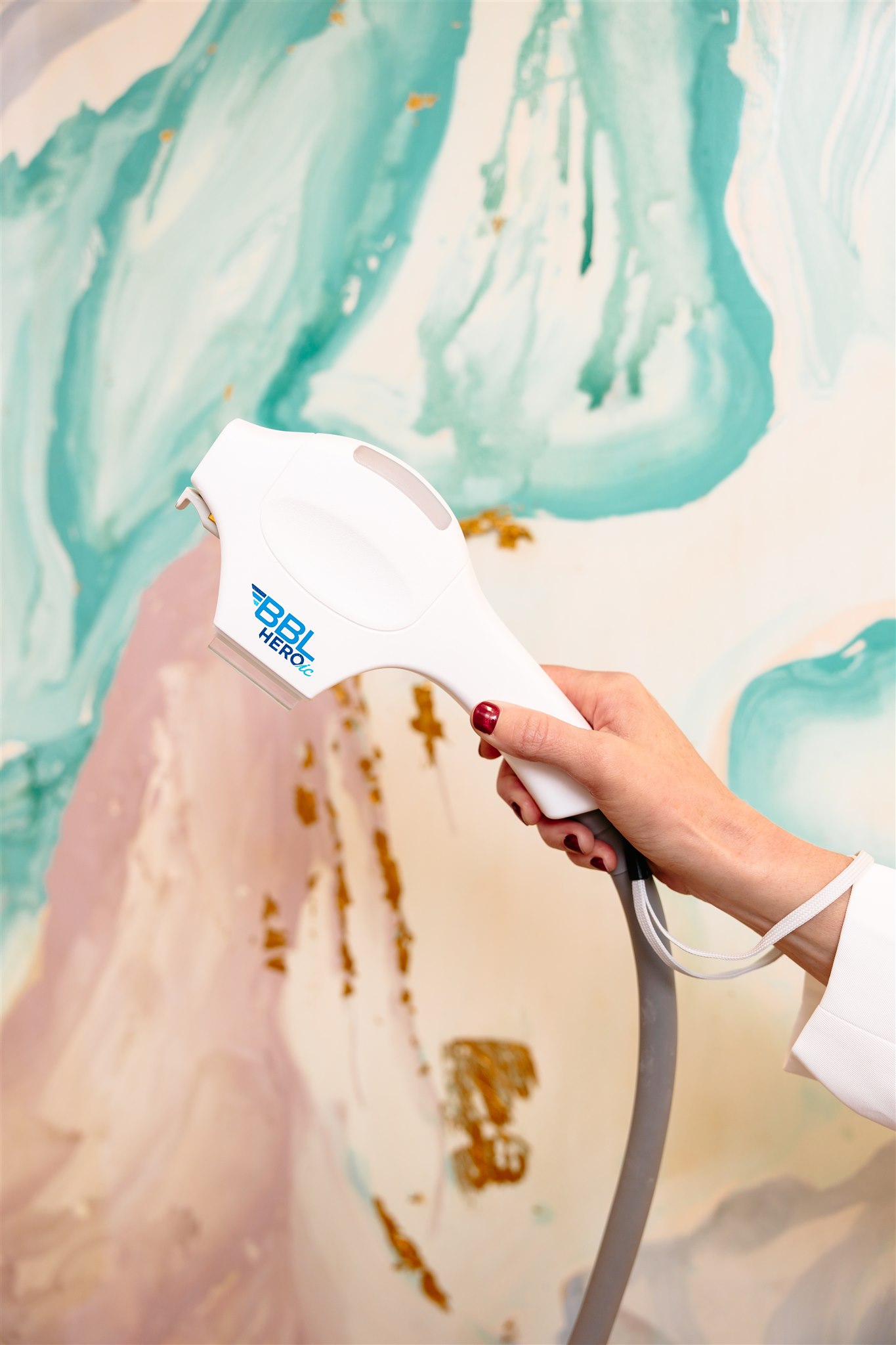
Treatment cadence at Youthful Magnolia is built around your specific goals and skin — not a default schedule pulled from a service menu.
Concern-Specific Timing
How your concern affects
BBL frequency and spacing.
Sun damage & brown spots
Series of 2–4 sessions, 4–6 weeks apartPigmented lesions respond visibly and predictably to BBL — treated spots darken and exfoliate over 7–14 days. For established photodamage, a correction series brings the pigment burden down to a manageable baseline before transitioning to annual or bi-annual maintenance. Fort Worth's UV environment means some patients benefit from 2–3 maintenance sessions per year to stay ahead of re-accumulation.
Diffuse redness & rosacea-prone tone
Series of 3–4 sessions, 4–6 weeks apartVascular concerns typically require slightly more sessions to address than discrete pigmented spots — the improvement is cumulative rather than immediately visible per session. Patients managing chronic redness or rosacea-associated tone often benefit from a maintenance approach that returns more regularly (3–4 times per year) to keep the vascular baseline managed.
Acne-related redness & post-inflammatory discoloration
Series of 3–5 sessions, 2–4 weeks apartBBL for active acne presentations or post-acne discoloration is typically structured as a closer-spaced series — 2–4 weeks between sessions to maintain the light-based antibacterial effect and address active inflammation. Frequency is adjusted based on acne activity and skin response. This is part of a broader acne management plan rather than an ongoing indefinite BBL schedule.
Uneven tone & diffuse dullness
1–3 sessions initially, then maintenance 2–3x/yearFor patients whose primary concern is overall tone clarity and diffuse dullness rather than specific spots or redness, BBL often produces meaningful improvement in 1–2 sessions. Maintenance 2–3 times per year keeps the tone clear and prevents new irregularities from accumulating.
Proactive long-term maintenance
2–4 sessions per year, no correction phase neededPatients who begin BBL maintenance before significant visible accumulation has occurred may not need a correction series at all. They go directly into a maintenance rhythm — typically 2–4 sessions per year at conservative settings. This is the most cost-efficient and most clinically impactful approach, and it is the foundation of the Forever Young BBL philosophy.
Amy's Perspective
Amy
Robbins
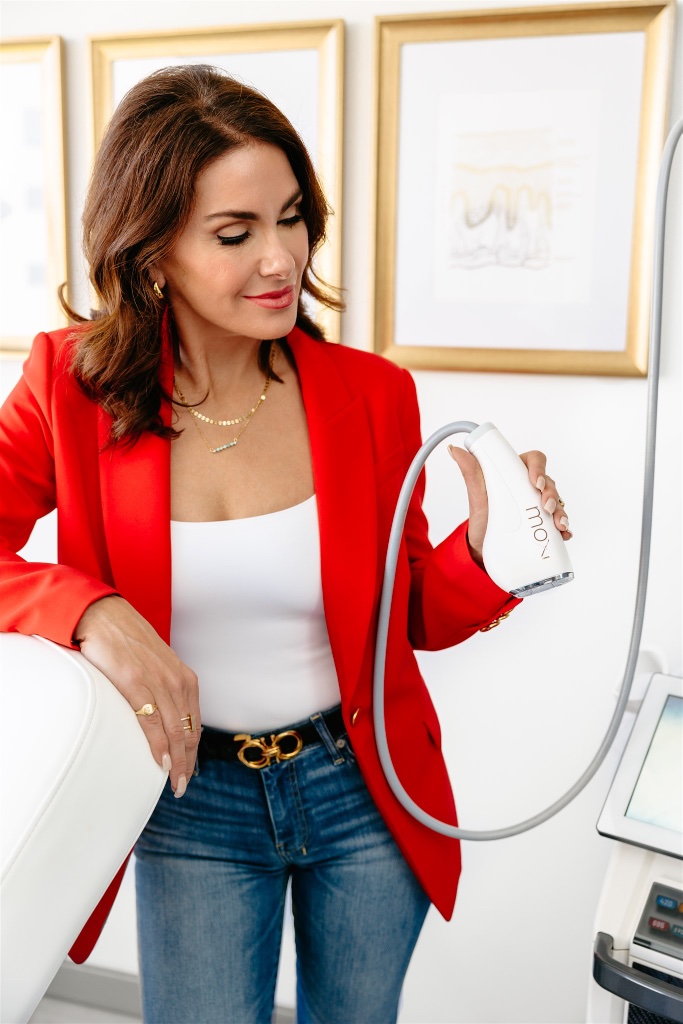
"When someone asks how often they should do BBL, I start by asking what they are trying to accomplish. That single question changes the answer completely. A schedule that makes sense for one patient's goals is exactly wrong for another patient's."
— Amy Robbins, Founder · Youthful Magnolia
Amy designs BBL plans the way she designs all treatment plans — starting from a genuine understanding of the patient's skin, history, and long-term goals, then building a schedule that serves those goals over time rather than following a convenient default.
Book a ConsultationLong-Term Strategy
How a long-term BBL
maintenance plan is built.
A well-designed BBL maintenance plan has three phases — and most patients are not told this when they book their first session.
Phase 01
Assessment & Baseline
A thorough consultation and skin assessment establishes your baseline — the nature and severity of existing concerns, your Fitzpatrick type, your Fort Worth UV exposure habits, and what you are trying to achieve. This determines whether you start in correction mode or can go directly to maintenance.
Phase 02
Initial Correction (if needed)
If visible pigmentation, redness, or photodamage is already present, a correction series addresses the established concerns before transitioning to maintenance. Typically 2–4 sessions over 8–16 weeks. Settings are calibrated for visible improvement while managing recovery appropriately.
Phase 03
Ongoing Maintenance
Once correction goals are met — or for patients starting proactively — the plan shifts to maintenance. 2–4 sessions per year at conservative settings, timed around Fort Worth's UV seasons and your schedule. This is the long-term investment phase where cumulative skin quality is built over years.
The Fort Worth factor: North Texas has some of the highest UV intensity in the country — and Fort Worth's outdoor lifestyle means patients often accumulate meaningful sun exposure year-round. This is exactly why proactive maintenance planning is especially relevant here. The patients who build a consistent cadence early consistently have more options and better results over the long term.
"Consistency is what makes results durable — not the number on a protocol sheet."
Patients who maintain consistently over years have skin that compounds over time. They are not chasing the same corrections repeatedly — they are building durable skin quality that genuinely reflects the investment they have made.
— Amy Robbins, Founder
What to Expect
What to expect from a series
vs a maintenance treatment.
Not all BBL sessions are the same — even with the same patient, at the same practice. Correction series sessions and maintenance sessions differ in settings, visible response, and recovery experience. Understanding this distinction helps set realistic expectations.
Correction series sessions
More visible response, more active recovery
Sessions targeting established pigmentation or redness often use higher fluence settings calibrated to produce visible correction. Treated brown spots will visibly darken ("coffee ground" appearance) before exfoliating over 7–14 days. Redness is more pronounced immediately post-treatment. Recovery is still minimal relative to ablative options, but more noticeable than a maintenance session.
Maintenance sessions
Conservative, low-disruption, cumulative
Once the baseline is managed, maintenance sessions are typically calibrated at more conservative settings — still effective, but producing less visible immediate response. Most maintenance patients experience mild redness for 24 hours and minimal disruption to their schedule. The value is cumulative over time rather than immediately visible.
Seasonal considerations
Timing affects both settings and recovery
The timing of a BBL session relative to sun exposure affects appropriate settings and post-care requirements. Sessions done in fall and winter can use more aggressive settings with better safety margins. Sessions done in peak UV season are kept more conservative and post-treatment sun avoidance is particularly critical. We plan your schedule around Fort Worth's sun calendar.
Combination Strategy
When BBL may be combined
with other laser options.
BBL works powerfully on its own — but for patients whose goals extend beyond tone and pigment, combining BBL with other treatments can make a long-term plan significantly more efficient. Knowing when combination makes sense — and when BBL alone is sufficient — is part of good treatment planning.
BBL + MOXI
The most requested combination at Youthful Magnolia. BBL addresses surface pigment and redness while MOXI stimulates deeper collagen and texture improvement simultaneously. A single BBL + MOXI session accomplishes what would otherwise take two separate appointments. For maintenance-minded patients, this combination is often built into the 2–3x/year cadence.
Learn MoreBBL then HALO
For patients with significant texture concerns alongside photodamage, a sequenced approach may involve clearing surface pigment with BBL first before moving to a HALO treatment for deeper resurfacing. Clearing the pigment picture first means HALO can focus on texture and structural concerns rather than both simultaneously.
Learn MoreBBL HEROic for efficiency
For patients treating larger areas or wanting more efficient coverage, BBL HEROic's high-energy rapid output platform can cover more ground per session — meaning the same corrective work may be accomplished in fewer visits. Useful for patients with time constraints or extensive treatment areas.
Learn MoreBBL as standalone maintenance
For patients whose primary concern is tone, pigment, and long-term photoaging prevention — and who do not have significant texture or structural concerns — BBL alone as a consistent maintenance approach is often entirely sufficient. Not every plan needs to be complex.
Learn More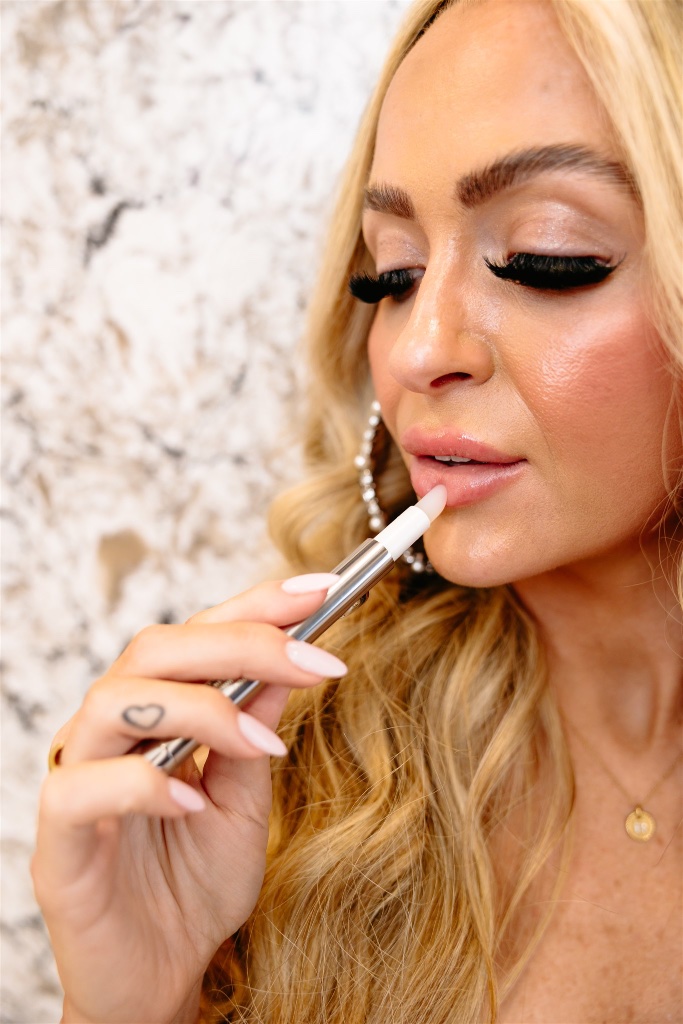
The treatment environment at Youthful Magnolia — where BBL frequency is planned with clinical precision and genuine long-term thinking.
Why Us
Why Fort Worth patients choose
Youthful Magnolia.
Goal-First Planning
We build your BBL schedule around your goals, concerns, and skin type — not a standard protocol applied to every patient.
Honest About Frequency
Amy will tell you if your goals require a series or if one session is genuinely sufficient. Over-treatment is never in your interest.
Fort Worth UV Expertise
We build BBL plans that account for North Texas's high-UV environment — timing sessions around your sun exposure patterns, not just a calendar.
Evidence-Based Maintenance
The Forever Young BBL approach used at Youthful Magnolia is grounded in clinical research — not trend-driven maintenance packaging.
Calibrated Each Visit
Settings are never locked to a fixed default. Every BBL session is assessed and calibrated based on your current skin condition and the time of year.
Integrated Strategy
BBL frequency is coordinated within a broader skin plan — including skincare, other laser modalities, and regenerative support where appropriate.
Common Questions
BBL frequency —
answered honestly.
How often should I get BBL?
How many BBL sessions does it take to see results?
Can I do BBL too often?
How long do BBL results last?
Is BBL better in certain seasons?
Does BBL frequency change for redness vs pigmentation?
How often should I do BBL for acne-related concerns?
Can I combine BBL with MOXI on the same schedule?
What is the difference between a BBL correction series and BBL maintenance?
Where can I build a BBL treatment plan in Fort Worth?
Related Treatments
Continue Reading
What Is Forever Young BBL? A Fort Worth Guide
The Stanford research behind long-term BBL maintenance — and why consistent treatment over years is the most effective anti-aging approach.
BBL in Fort Worth — Our Full Guide
Everything you need to know about Sciton BroadBand Light at Youthful Magnolia — what it treats, how it works, and what to expect.