Can You Rebuild Collagen in Your Face? What the Science Says
Collagen helps support skin structure, but its production and organization change with age. Learn what collagen stimulation means, which approaches have evidence, and what treatments can realistically accomplish.
Can you rebuild collagen in your face? The skin can produce new collagen, and certain treatments can stimulate collagen-related remodeling. However, collagen changes associated with aging are complex, and producing new collagen does not necessarily restore the skin to its earlier state. The amount of improvement depends on the treatment, the individual, the condition being addressed, and other factors. Collagen stimulation also does not replace lost facial fat or reverse all structural changes associated with facial aging.
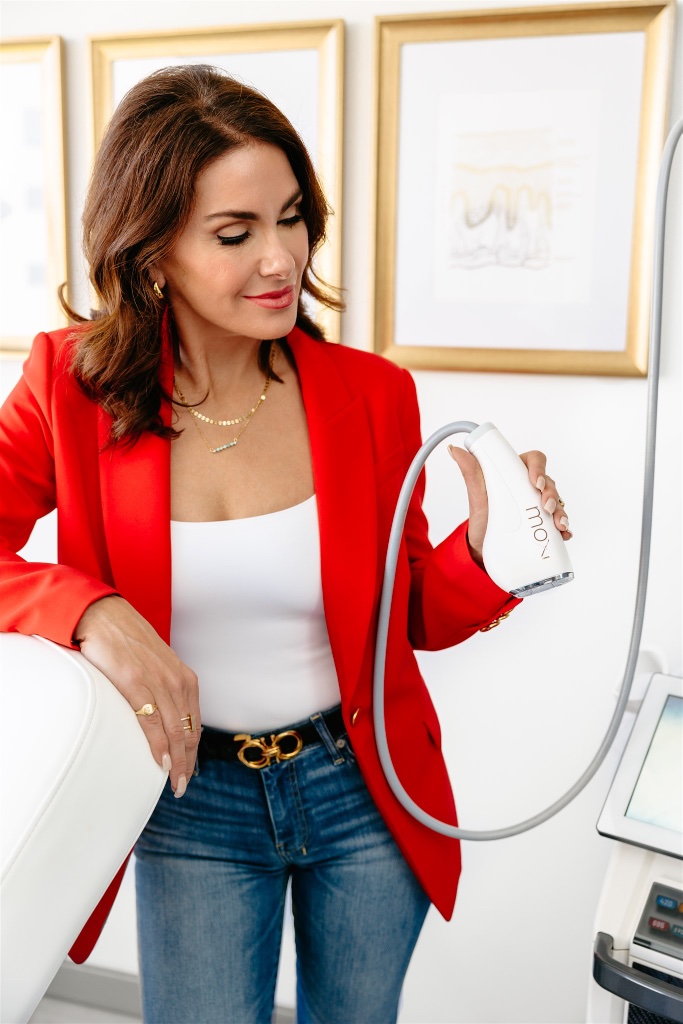
Written by
Amy Robbins, MSNA, APRN, CRNA, FNP-BC

Collagen Stimulation: What to Know
Can skin produce new collagen?
Yes. Collagen production and remodeling are ongoing biological processes throughout life.
Can treatments influence collagen remodeling?
Some treatments have evidence supporting collagen-related effects, though results vary by individual and technique.
Does new collagen guarantee visible skin tightening?
No. Biological response does not automatically translate to clinically meaningful tightening.
Can collagen stimulation replace lost facial volume?
Not necessarily. Skin remodeling and volume restoration are different concepts.
Can collagen loss be completely reversed?
No treatment can completely reverse age-related collagen changes. Realistic expectations are essential.
Does everyone need treatment?
No. Cosmetic treatment is optional and should follow a personal assessment.
Results and suitability vary. A professional assessment can help clarify realistic treatment goals.
What Is Collagen, and Why Does Your Skin Need It?
Collagen is a structural protein found throughout the body, including the dermis, the deeper layer of the skin. It forms a network of fibers that contributes to skin firmness, resilience, and overall structural support.
Collagen works alongside other skin components, including elastin, hyaluronic acid, and the cells that maintain the skin. It is an important part of skin structure, but it is not the only determinant of skin firmness or facial appearance.
What Happens to Collagen as You Age?
Age-related changes affect both the amount of collagen the skin produces and how that collagen is organized. Over time, collagen synthesis may slow, existing collagen may become more fragmented, and the overall structure of the dermal network may shift.
Environmental influences, particularly sun exposure, also play a significant role. Individual variation is substantial, so the rate and extent of these changes differ from person to person. We avoid citing specific annual percentage declines unless supported by well-described research.
At What Age Does Collagen Production Slow Down?
Age-related changes vary between individuals, and collagen production does not suddenly stop at a specific age. Instead, it shifts gradually over decades. Several factors influence the timeline, including chronological aging, sun-related skin aging, hormonal influences, and individual factors like genetics and lifestyle.
Distinguishing between these influences matters, because sun-related changes and chronological aging affect the skin through different mechanisms and may respond to different preventive strategies.
Can Your Skin Naturally Produce New Collagen?
Yes. Collagen production and remodeling are ongoing biological processes. Specialized cells called fibroblasts synthesize collagen as part of normal tissue maintenance and repair. The skin retains some capacity for collagen production throughout life.
However, the skin's ability to reverse aging through natural processes alone is limited. Natural collagen production supports maintenance, but it does not typically restore the skin to an earlier state without intervention.
What Does Collagen Stimulation Actually Mean?
Collagen stimulation refers to influencing the biological processes that produce or reorganize collagen. This can involve collagen synthesis (creating new collagen), collagen remodeling (reorganizing existing fibers), or a broader tissue response to a controlled stimulus.
An important distinction: evidence of a biological response does not automatically guarantee a clinically meaningful cosmetic result. A treatment may demonstrate collagen-related activity in research settings without producing visible improvement that a patient would notice.
Can You Reverse Collagen Loss in Your Face?
Some changes associated with collagen loss may be improved with appropriate treatment, but complete reversal is not guaranteed. Treatment outcomes vary by individual, technique, and the specific condition being addressed.
Facial aging involves more than collagen. Volume changes, tissue repositioning, and structural shifts all contribute to how the face changes over time. For a deeper discussion of how these factors interact, see our article on skin laxity vs volume loss.
What Causes Collagen Breakdown?
Several factors may contribute to collagen changes over time, including intrinsic aging, UV exposure, smoking, environmental influences, and certain biological processes. No single factor tells the whole story.
UV exposure is one of the most significant external factors. Smoking has also been associated with skin changes. The relative role of each factor varies by individual, and avoiding any one risk factor does not eliminate age-related changes entirely.
Does Sun Exposure Affect Collagen?
Sun exposure is strongly associated with changes in skin structure, a process often called photoaging. UV radiation can contribute to collagen degradation and changes in how collagen is organized within the dermis.
This is why consistent sun protection is considered foundational to any skin health strategy. Protecting existing collagen from UV-related breakdown is one of the most evidence-supported steps a person can take.
Does Perimenopause Affect Collagen?
Hormonal changes may influence skin physiology, including collagen-related processes. Research on perimenopause, menopause, and postmenopause describes different populations, and findings from one group should not be automatically applied to another.
Perimenopause does not automatically cause significant collagen loss, but hormonal shifts may contribute to skin changes for some individuals. For a broader discussion, see our article on perimenopause skin changes.
Does Weight Loss Affect Facial Collagen?
Weight loss may change facial appearance through several mechanisms, and not all of these involve collagen. Facial fat changes, skin laxity, and shifts in skin structure can all contribute to a different look after significant weight loss.
It would be inaccurate to assume that all post-weight-loss facial changes are caused by collagen loss. For more on this topic, see our article on when weight loss changes the face.
Does Collagen Loss Cause Facial Sagging?
Collagen-related skin changes can contribute to laxity, the looseness or creepiness of the skin. However, facial sagging often involves more than collagen alone. Volume changes, tissue repositioning, structural aging, and individual anatomy all play roles.
This is why a treatment that supports collagen may improve some aspects of laxity without addressing the full picture of facial sagging. See our article on skin laxity vs volume loss for a detailed comparison.
Can Collagen Stimulation Restore Facial Volume?
Collagen-related treatments and volume restoration are not interchangeable. Dermal remodeling, injectable biostimulation, and traditional volume restoration each work through different mechanisms and address different aspects of facial aging.
Some injectable biostimulators may support gradual structural changes over time, but this is not the same as the immediate volume effect of traditional filler. Collagen stimulation does not automatically produce facial fullness, and the two concepts should not be conflated.
Can Skincare Products Stimulate Collagen?
Some topical ingredients have evidence supporting collagen-related effects, while others rely more on marketing than on research. It is important to distinguish evidence-supported effects from exaggerated claims.
Topical products generally work at the surface level and cannot replicate the outcomes of in-office procedures. They may support overall skin health and complement a broader plan, but they are not a substitute for professional treatment when more significant change is desired.
Do Retinoids Help Support Collagen?
Retinoids, including prescription tretinoin and over-the-counter retinol, have a substantial body of evidence supporting collagen-related effects in the skin. They are among the most studied topical ingredients for skin aging.
Retinoids are not appropriate for everyone. They can cause irritation, increase sun sensitivity, and are generally avoided during pregnancy and breastfeeding. A qualified clinician can help determine whether a retinoid is appropriate and how to use it safely.
Does Vitamin C Help With Collagen?
Vitamin C plays a biological role in collagen synthesis, and some evidence supports the use of topical vitamin C for skin health. However, results depend on formulation, concentration, and stability, and claims about its effects should be kept proportionate to the evidence.
Vitamin C is often included in skincare routines as an antioxidant, and it may complement other evidence-supported ingredients. It is not a standalone solution for collagen rebuilding.
Do Collagen Creams Rebuild Collagen?
Applying collagen to the skin is not equivalent to directly rebuilding dermal collagen. Collagen molecules are large and do not penetrate the skin in a way that integrates into the dermal network.
Collagen-containing creams may provide hydration benefits and support the skin barrier, which can improve the appearance of the skin surface. But they should not be presented as a way to rebuild structural collagen.
Do Collagen Supplements Actually Work?
Evidence for oral collagen supplements is mixed and limited. Some studies report improvements in skin hydration or appearance, while others find modest or inconsistent results. Study quality varies, and products differ significantly in formulation and dose.
It is not accurate to claim that collagen supplements specifically rebuild collagen in the face. The relationship between ingested collagen peptides and facial collagen structure is not straightforward, and uncertainty about outcomes remains.
We do not recommend specific products or doses. Anyone considering supplements should discuss them with a qualified healthcare professional.
Can Diet Support Collagen Production?
Adequate nutrition supports normal tissue health, including the processes that maintain skin. Protein intake provides amino acids, vitamin C plays a role in collagen synthesis, and general nutritional adequacy contributes to overall skin condition.
However, no specific food or diet has been shown to reverse facial aging. Nutrition is a supportive factor, not a treatment for age-related structural changes.
What Lifestyle Habits Help Protect Skin Collagen?
Evidence-based habits that may help protect existing collagen include consistent sun protection, avoiding smoking, appropriate skincare, and general health practices like adequate sleep and a balanced diet.
These habits do not eliminate aging, but they reduce avoidable contributors to collagen breakdown and support overall skin health. Sun protection in particular is one of the most impactful measures a person can take.
What Professional Treatments Can Stimulate Collagen?
Several categories of professional treatment may influence collagen-related processes, including microneedling, radiofrequency treatments, fractional laser treatments, and injectable biostimulation. These technologies differ in mechanism, indications, risks, and expected outcomes.
No single treatment is universally best. The appropriate choice depends on the individual's skin, goals, anatomy, and the specific condition being addressed. A professional assessment is essential before any treatment decision.
Can Radiofrequency Treatments Stimulate Collagen?
Radiofrequency treatments generally work by delivering controlled heat to tissue, which may trigger a remodeling response. The concept is that controlled thermal injury prompts the skin's repair processes, potentially influencing collagen organization over time.
Not all radiofrequency devices produce identical results. Outcomes depend on the device, settings, treatment depth, and individual factors. Radiofrequency is not equivalent to surgical lifting, and results vary.
How Does XERF Relate to Collagen Stimulation?
XERF is an advanced energy-based treatment offered at Youthful Magnolia that uses controlled energy delivery to support skin renewal and collagen-related tissue remodeling. It is integrated into a personalized treatment plan based on individual assessment.
XERF does not rebuild all lost collagen, and it is not appropriate for every patient or concern. Appropriate treatment goals, expected limitations, and candidacy should be discussed at consultation. See our XERF service page for more information.
Does Sculptra Stimulate Collagen?
Sculptra (poly-L-lactic acid) is an injectable biostimulator. According to its official prescribing information, Sculptra works by stimulating fibroblast activity to gradually produce new collagen over time, rather than by directly adding volume like traditional hyaluronic acid filler.
The response is gradual, typically building over months, and treatment is usually planned as a series of sessions. Sculptra is not appropriate for every facial concern, and it is not equivalent to topical collagen products. See our Sculptra service page for more information.
Does Microneedling Stimulate Collagen?
Microneedling creates controlled micro-injuries in the skin, which may trigger a repair response and collagen remodeling. It is commonly used for skin texture, acne scars, and fine lines in appropriately selected patients.
Microneedling does not work equally for all concerns, and results depend on treatment depth, session frequency, and individual factors. See our microneedling service page for more information.
Can Laser Treatments Stimulate Collagen?
Certain laser treatments may support collagen remodeling as part of the skin's healing response. The relationship between laser energy and collagen is well-described in clinical literature for select technologies.
Different laser technologies work by different mechanisms, and they are not interchangeable. A laser designed for surface pigmentation may not have the same collagen-related effects as a fractional resurfacing laser.
How Do HALO and MOXI Relate to Collagen Remodeling?
HALO and MOXI are Sciton laser technologies offered at Youthful Magnolia. According to manufacturer documentation, MOXI is a non-ablative 1927nm fractional laser designed for low-downtime skin maintenance, while HALO is a hybrid fractional laser combining ablative and non-ablative wavelengths in a single pass.
These technologies take different approaches to skin remodeling and are not interchangeable. MOXI is generally positioned for prevention and maintenance, while HALO is positioned for more visible corrective improvement. See our HALO and MOXI service pages for more information.
Collagen Stimulation vs Facial Filler: What's the Difference?
Collagen stimulation and facial filler work through different mechanisms and address different goals. Collagen-focused treatments aim to influence skin remodeling and quality over time, while filler adds volume to specific areas for more immediate structural change.
Facial filler does not automatically correct skin laxity, and collagen stimulation does not replace the immediate volume effect of filler. The two approaches may be complementary in a comprehensive plan. See our facial balancing page for more information.
Can Different Collagen-Focused Treatments Be Combined?
Selected treatment combinations may be considered after professional assessment, and Youthful Magnolia builds combination plans that are consistent with approved protocols. Not every combination is appropriate for every patient.
We do not invent treatment sequences or promise better outcomes from combining procedures. Combination planning depends on individual anatomy, goals, and safety considerations, and should always follow a personal consultation.
Ways to Support Collagen-Related Skin Health
| Approach | General Purpose | Relationship to Collagen | What It Does Not Address | Considerations |
|---|---|---|---|---|
| Sun protection | Protects existing collagen from UV-related breakdown | Reduces ongoing collagen degradation | Does not rebuild collagen already lost | Broad-spectrum daily use is foundational for all skin types |
| Evidence-based skincare | Supports skin health and may influence surface quality | Some ingredients (e.g., retinoids) have evidence for collagen-related effects | Cannot replicate the outcomes of in-office procedures | Results are gradual and depend on consistent use and formulation |
| Microneedling | Controlled micro-injury to trigger a skin repair response | May stimulate collagen remodeling in appropriately selected patients | Does not restore deep volume or reposition tissue | Typically requires a series; depth and candidacy matter |
| Radiofrequency treatments | Controlled tissue heating to support remodeling | May influence collagen-related tissue response | Not equivalent to surgical lifting; results vary | Outcomes depend on device, settings, and individual factors |
| Fractional laser treatments | Resurfacing and skin-quality improvement | May support collagen remodeling as part of the healing response | Does not address volume loss or significant laxity | Downtime and candidacy vary by technology and depth |
| Injectable biostimulation | Gradual structural support via biostimulatory response | May stimulate fibroblast activity over time (e.g., poly-L-lactic acid) | Does not replace the immediate effect of traditional filler | Results build gradually; requires assessment and treatment planning |
This table is for general educational purposes only and does not rank treatments. Suitability depends on individual assessment.
How Long Does Collagen Remodeling Take?
Collagen remodeling timelines vary by treatment and biological process. Some responses begin within weeks of a treatment, while deeper remodeling may continue over several months. There is no universal timeline that applies to every approach.
Treatment-specific expectations should be discussed with a qualified provider, as the timeline for a biostimulatory injectable differs from that of a fractional laser or microneedling series.
How Long Do Collagen-Stimulating Treatment Results Last?
Durability varies by treatment and individual factors. Some treatments produce results that last months, while others, particularly certain biostimulatory approaches, may produce results that persist longer. No treatment promises permanent results.
Maintenance timing depends on the treatment, the individual's response, and ongoing factors like sun exposure and aging. Realistic expectations include the understanding that follow-up treatments may be appropriate over time.
Can Collagen Stimulation Tighten Loose Skin?
Selected treatments may improve some aspects of skin laxity in appropriately selected patients. The degree of improvement depends on the treatment, the amount of laxity, and individual factors.
Collagen stimulation does not promise lifting equivalent to surgery. For significant laxity, surgical options may be more appropriate, and a qualified provider can help clarify expectations.
Can Collagen Stimulation Improve Fine Lines?
Certain approaches may improve fine lines, particularly those related to skin quality and surface texture. It is important to distinguish fine lines from deeper folds, volume-related changes, and structural aging, as these concerns may require different approaches.
Collagen-focused treatments are not a universal solution for every type of line or fold. A tailored plan addresses the specific concern rather than assuming one mechanism fits all.
Can Collagen Stimulation Help With Acne Scars?
Selected treatments may help some types of acne scars, particularly those that involve surface texture or shallow depressions. However, collagen stimulation does not correct every type of scar, and scar assessment matters.
Deeper or more complex scarring may require different or combined approaches. A professional evaluation helps determine which treatments are appropriate for a specific scar pattern.
Can Collagen Stimulation Improve Crepey Skin?
Crepey skin is related to changes in skin structure, including thinning and changes in texture. Selected treatments may improve the appearance of crepey skin in some patients, though realistic limitations apply.
For a detailed discussion of crepey skin and tightening, see our article on whether XERF is good for crepey skin.
Common Myths About Rebuilding Collagen
Myth: Collagen production completely stops at age 30.
Fact: Collagen-related processes continue throughout life, although they change with age and other factors.
Myth: Collagen creams directly replace lost dermal collagen.
Fact: Topical collagen cannot penetrate and integrate into the dermis in a way that rebuilds structural collagen.
Myth: All collagen treatments produce the same results.
Fact: Mechanisms, indications, and outcomes differ significantly between technologies.
Myth: More collagen always means a younger-looking face.
Fact: Facial appearance depends on multiple tissues and structures, not collagen alone.
Myth: Collagen stimulation replaces lost facial fat.
Fact: Skin remodeling and volume restoration are different concepts that may require different approaches.
Myth: Collagen treatments can completely reverse aging.
Fact: No cosmetic treatment completely reverses the aging process. Realistic expectations are essential.
Amy's Perspective on Collagen and Facial Aging
Amy Robbins
MSNA, APRN, CRNA, FNP-BC · Founder
"Collagen is an important part of skin health, but it isn't the only thing that changes as we age. When someone asks about collagen stimulation, I want to understand whether they're concerned about skin texture, firmness, or facial volume. Those concerns may require different approaches."
[AMY REVIEW REQUIRED — Draft Direction, Not Approved Quote]
Collagen-Focused Skin Rejuvenation at Youthful Magnolia in Fort Worth
At Youthful Magnolia in Fort Worth, our approach to collagen-related concerns begins with an individualized skin assessment. We take time to understand your treatment goals, review appropriate options, discuss limitations, and set realistic expectations.
We do not offer every treatment discussed in this article, and we do not recommend unnecessary treatments. Our role is to help you understand what may be appropriate for your specific concerns and to refer for medical evaluation when needed. For more on our available treatments, see our laser treatments and injectables pages.
Frequently Asked Questions
Sources and References
Collagen and Skin Aging: Clinical Overview
American Academy of Dermatology · Professional Organization
Photoaging and UV-Related Skin Damage
American Academy of Dermatology · Clinical Guidance
Retinoids and Skin: Evidence Review
Peer-reviewed dermatology literature · Clinical Literature
Oral Collagen Supplementation: Systematic Review
Peer-reviewed dermatology literature · Clinical Literature
Microneedling: Clinical Evidence and Applications
Peer-reviewed dermatology literature · Clinical Literature
Sculptra (Poly-L-Lactic Acid) Prescribing Information
Galderma · Manufacturer Prescribing Information
Radiofrequency Skin Treatments: Mechanism Review
Peer-reviewed dermatology literature · Clinical Literature
HALO and MOXI Product Information
Sciton · Manufacturer Documentation
References are provided for educational purposes. This article does not constitute medical advice and should not replace evaluation by a qualified healthcare professional.
Interested in Supporting
Your Skin's Collagen?
Collagen-related skin changes are only one part of facial aging. At Youthful Magnolia in Fort Worth, a personalized consultation can help clarify your concerns and explore which available treatment options, if any, may be appropriate.