Why Does My Face Look Tired Even When I'm Well Rested?
"Tired" is a visual pattern, not a feeling. Under-eye shadows, flatter cheeks, heavier lids, and dull skin can read as fatigue no matter how well you slept.
You slept eight hours. You feel fine. And yet the person in the mirror, or in the photo a friend just tagged, looks worn out. A face can look tired without any lack of sleep because under-eye hollows and shadows, flatter cheeks, heavier-looking upper eyelids, a downturn at the corners of the mouth, and skin that reflects less light all read as fatigue to the people looking at you. Most of these changes come from normal, gradual shifts in facial fat, skin, and bone that happen with age, genetics, hormones, sun exposure, and weight change. They tend to show up first around the eyes, which is why so many people say "I look exhausted" long before they would say "I look older."
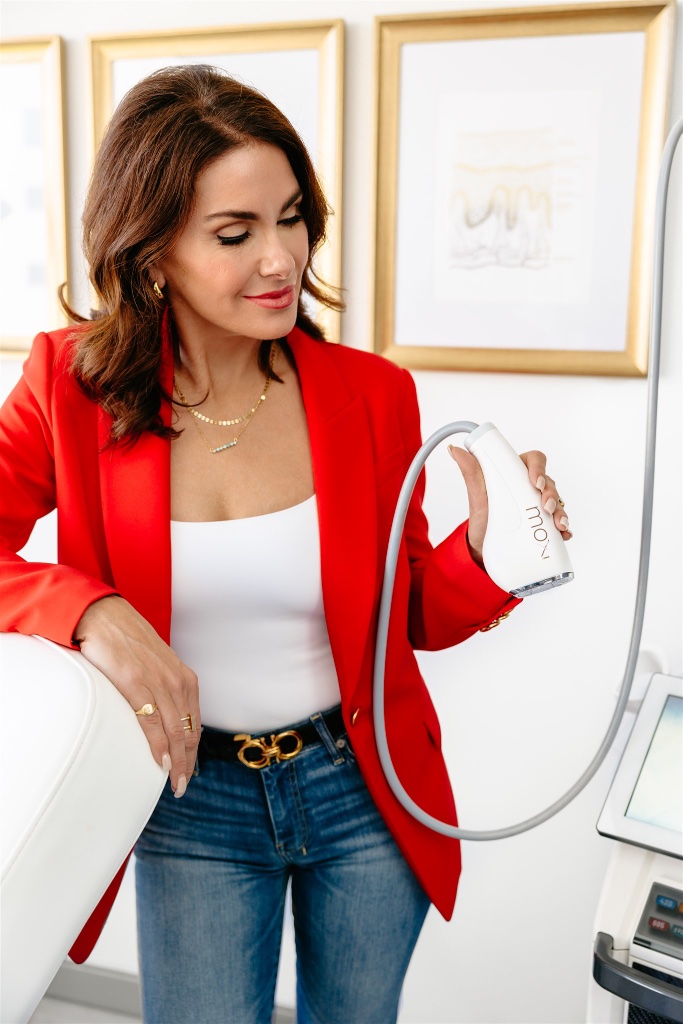
Written by
Amy Robbins, MSNA, APRN, CRNA, FNP-BC

A Quick Summary
What "tired" usually means visually: shadows under the eyes, loss of cheek fullness, eyelid heaviness, a flat or dull skin surface, and a slightly downturned mouth.
Most common drivers: structural shadowing from under-eye hollowing, midface volume changes, skin thinning, pigment or vascular changes under the eyes, and reduced skin radiance.
Important distinction: dark circles can be pigment, visible blood vessels, shadow from contour, or a mix. Each responds to different approaches.
When to see a clinician: a tired appearance that arrived quickly, comes with real fatigue, or comes with other symptoms deserves a medical conversation first.
What Makes a Face "Read" as Tired?
Researchers have measured this. In a study published in the journal Sleep, observers rated photographs of the same people after normal sleep and after 31 hours awake. The sleep-deprived faces were rated as having more hanging eyelids, redder and more swollen eyes, darker under-eye circles, paler skin, more fine lines, and more droopy corners of the mouth. Those same cues drove the overall impression of fatigue.
That list matters because several of those features can become permanent fixtures of a face for reasons that have nothing to do with sleep. Eyelid skin loosens with age. Under-eye shadows deepen as cheek fat changes. Skin reflects less light as it thins and dries. When those changes settle in, the face sends a "tired" signal around the clock, regardless of how rested you feel.
Is It Your Eyes or Your Whole Face?
A useful first step is to look at your face in natural daylight, without makeup, and ask where your eye lands. For most people the answer is the under-eye area. For others, it is a general flatness through the cheeks, or heaviness across the brow and upper lids.
A simple self-check: gently press a fingertip on the cheekbone just below the under-eye hollow and lift slightly. If the shadow softens, contour and volume are likely contributing. If the color stays the same when the skin is stretched, pigment or visible vessels are more likely involved.
This is not a diagnosis, but it helps you describe what you are seeing when you talk to a provider.
Why the Under-Eye Area Looks Tired
The skin beneath the eyes is among the thinnest on the body, sits over a bony rim, and borders a region of fat that changes shape with age. Several different problems can occur here, and they often overlap.
Under-eye hollows and the tear trough
The tear trough is the groove that runs from the inner corner of the eye diagonally toward the cheek. In youth it is usually filled in by a smooth transition from the lower lid to the cheek. As midface fat compartments lose volume or shift downward, that transition breaks, the groove deepens, and the overhead lighting in most rooms casts a shadow into it. The shadow is read as a dark circle even when the skin itself is not darker.
Anatomical studies have shown that facial fat sits in separate compartments that change independently with age, which helps explain why hollowing can appear in some areas of the face and not others. For a full explanation of the causes, see why eyes look hollow or sunken.
Dark circles: pigment, blood vessels, or shadow?
Clinical reviews describe periorbital darkening in several subtypes:
Pigmented
Brown or tan discoloration from melanin in the skin. More common in people with naturally deeper skin tones; can be worsened by sun exposure, rubbing, and inflammation from allergies or eczema.
Vascular
A blue, purple, or pink tone from blood vessels showing through thin skin. Often looks worse with fatigue, dehydration, or nasal congestion because of changes in blood flow, and can become more visible as skin thins with age.
Structural
The shadow cast by a tear trough, under-eye bag, or puffiness, as described above.
Mixed
A combination, which is the most common situation in adults.
For a full guide to the four types and how to tell which you have, see why you have dark circles even when you sleep well.
Knowing the subtype matters because a brightening cream aimed at pigment will not change a shadow, and a treatment that restores contour will not lighten melanin. Many "nothing works for my dark circles" stories come from treating the wrong subtype. For a related distinction on the rest of the face, see our guide on sun spots vs melasma.
Puffiness and under-eye bags
Fluid retention, allergies, salty food, and alcohol can cause temporary morning puffiness. Persistent bags are more often caused by the fat pads behind the lower lid pushing forward as the tissues that hold them in place weaken. A bag creates a bulge, and the trough beneath it creates a shadow, so the two often appear together and compound the tired look.
Why the Midface Looks Flat or Deflated
The cheeks are the face's main light-catching surface. When they are full and smooth, light reflects from them evenly and the face looks rested. As the deep and superficial fat compartments of the cheek lose volume or descend, several things happen at once: the cheek loses projection, the under-eye transition becomes a hollow, the nasolabial fold looks deeper, and the overall face reads as flatter and more fatigued.
This process is gradual and often first noticed in the late thirties and forties, but timing varies widely with genetics, body weight, and sun history. Significant weight loss can accelerate it because facial fat is lost along with body fat; our article on facial changes after weight loss covers that situation in detail.
Because volume loss and skin looseness look similar at a glance but call for different approaches, it is worth reading skin laxity vs volume loss before assuming you know which one you are seeing.
Why the Upper Face Looks Heavy
Tired-looking eyes are not always about the under-eye area. Two upper-face changes contribute as well.
First, the brow tends to settle slightly lower with age, and the skin of the upper eyelid loosens. The result is a heavier lid, a smaller visible eyelid platform, and eyes that look less open. This is often called hooding. Second, repeated expression — frowning, squinting, raising the brows — leaves lines across the forehead and between the brows that can be read as strain or concern, even on a relaxed face.
These changes are a normal part of aging and are not a sign that anything is wrong. Pronounced hooding that affects vision is a medical matter and is evaluated differently from a cosmetic concern.
Why Skin Can Look Dull Even When You Feel Fine
Rested skin looks rested partly because it reflects light evenly. Several factors reduce that reflectivity:
- Skin cell turnover slows with age, so the surface holds onto dead cells longer and looks less smooth.
- Dehydration and barrier disruption make the surface rougher and less luminous.
- Cumulative sun exposure changes skin texture and creates uneven pigment, which scatters light unevenly.
- Hormonal shifts during perimenopause can change oil production, hydration, and collagen, as explained in perimenopause skin changes.
Dullness is one of the few contributors to a tired look that often responds to consistent skincare, sun protection, and professional skin treatments. It does not, however, change contour or shadow. If you are mainly noticing texture, our guide to why skin texture changes with age goes deeper.
Other Factors That Can Add Up
- Genetics. Deep-set eyes, a naturally prominent tear trough, or a family tendency toward under-eye pigment can make a face look tired from a young age.
- Allergies and sinus congestion. Chronic nasal congestion can increase venous pooling under the eyes and worsen the vascular type of dark circles.
- Screens and lighting. Overhead and screen lighting exaggerate shadows; this changes how tired you look, not your anatomy.
- Posture and expression habits. A habitual slight frown or downturned mouth reads as fatigue.
- Thinning skin. Skin becomes thinner and more translucent with age, which makes both vessels and underlying contour more visible.
When a Tired Look Deserves Medical Evaluation
Most of the time, looking tired while feeling rested is a cosmetic concern. There are situations where it is worth talking to a primary care provider first:
- The change happened over weeks rather than years.
- You also feel tired, short of breath, cold, or low in mood.
- You wake unrefreshed, snore, or have been told you stop breathing in your sleep.
- You have new puffiness around the eyes, especially in the morning, or swelling elsewhere.
- One eyelid has started to droop more than the other.
Conditions that affect sleep quality, blood counts, thyroid function, or fluid balance can all change how the face looks. This article does not diagnose any of them, and a cosmetic treatment is not a substitute for finding out whether something medical is going on.
What May Help: Matching the Cause to the Approach
There is no single "tired face" treatment because there is no single cause. The table below pairs the most common contributors with the general category of approach that may be discussed, and what each category cannot do. Specific product and treatment selection depends on a consultation.
| What You May Be Noticing | Likely Contributor | Approach Categories That May Be Discussed | What That Category Does Not Address |
|---|---|---|---|
| Shadow or hollow under the eyes that softens when the cheek is lifted | Structural hollowing, midface volume change | Under-eye contour restoration — hyaluronic acid filler (an FDA-approved option exists for infraorbital hollowing) or regenerative approaches such as PRF; cheek filler or facial balancing when the cheek is the rootPRF under eyes · Cheek filler · Facial balancing | Pigment, visible vessels, loose eyelid skin, true under-eye bags |
| Brown discoloration that stays when skin is stretched | Pigmented dark circles | Sun protection, pigment-targeting skincare, selected light or laser treatments in appropriate skin typesBBL | Shadow, hollowing, vascular tone |
| Blue or purple tone, worse with congestion or fatigue | Vascular dark circles, thin skin | Treatments that support skin thickness and quality; allergy management with your physician | Hollowing, pigment |
| Flat or deflated cheeks, deeper folds | Midface volume loss | Volume restoration with filler; collagen-stimulating injectables such as Sculptra (FDA-approved for cheek fine lines and wrinkles)Sculptra · Cheek filler | Skin laxity, under-eye bags, eyelid hooding |
| Heavy upper lids, lines between the brows | Brow and lid changes, expression lines | Neuromodulators for expression lines; surgical evaluation for significant hoodingBotox | Volume loss, pigment, skin dullness |
| Dull, rough, or uneven skin surface | Slower turnover, dehydration, sun damage | Skincare with retinoids and sun protection; gentle fractional laser; mesoneedling with skin boosters; customized facialsMOXI · Mesoneedling · Customized facial | Shadow, contour, hooding |
This table is for educational purposes only and does not replace a professional assessment. Not all treatments listed are offered at Youthful Magnolia.
For a closer look at under-eye options specifically, see PRF under eyes vs filler.
What Treatments Cannot Do
Setting expectations honestly matters more here than almost anywhere else on the face.
- No treatment makes you look rested if you are not. Sleep, hydration, and managing allergies still shape how the eye area looks day to day.
- Filler placed to correct a shadow will not lighten pigment, and may look worse if under-eye bags or loose skin are the main issue.
- Skincare improves surface quality; it does not restore volume or lift a lid.
- Under-eye and midface treatments carry real risks, including swelling, bruising, lumps, bluish discoloration when filler is placed too superficially, and, rarely, vascular complications. Candidacy, product choice, and injector experience all affect those risks.
- Results are temporary with most injectables and vary from person to person.
A good consultation should tell you which of your concerns a given approach is likely to improve, which it will not touch, and whether a different category — or no treatment — fits better. Our guide to natural-looking facial rejuvenation explains the approach we take.
Common Myths About Looking Tired
MYTH: Dark circles mean you are not sleeping enough.
FACT: Sleep affects them, but pigment, vessels, and contour can cause dark circles in people who sleep well.
MYTH: Eye cream can fix under-eye hollows.
FACT: Topicals can improve hydration and, over time, some pigment. They cannot restore lost volume.
MYTH: Under-eye filler fixes every dark circle.
FACT: It addresses shadow from hollowing only, and is not appropriate for everyone.
MYTH: Looking tired is always about the eyes.
FACT: Cheek volume, skin quality, and the mouth corners all contribute.
MYTH: Drinking more water removes dark circles.
FACT: Hydration helps skin look smoother; it does not change anatomy or melanin.
MYTH: If you look tired, something must be medically wrong.
FACT: Usually it is normal aging, but a rapid change or accompanying symptoms deserve a medical check.
Consultations at Youthful Magnolia in Fort Worth
At Youthful Magnolia in Fort Worth, a consultation for a tired-looking face starts with figuring out what is actually contributing — shadow, pigment, volume, skin quality, or several at once — before any treatment is discussed. That assessment is what makes the difference between a result that looks refreshed and one that looks treated.
If you would like to understand what you are seeing in the mirror and which options, if any, may fit, book a consultation. You can also explore PRF under eyes, facial balancing, and Sculptra.
Wondering why you look tired when you feel fine?
A personalized consultation can help you identify the specific contributors and talk through realistic options, including the option of doing nothing right now.
Frequently Asked Questions
References & Further Reading
Cues of Fatigue: Effects of Sleep Deprivation on Facial Appearance
Sundelin T, et al. Sleep. 2013;36(9):1355–1360 · Peer-Reviewed Study
https://pmc.ncbi.nlm.nih.gov/articles/PMC3738045/ ↗Periorbital Hyperpigmentation: A Comprehensive Review
Sarkar R, et al. J Clin Aesthet Dermatol. 2016;9(1):49–55 · Peer-Reviewed Review
https://pmc.ncbi.nlm.nih.gov/articles/PMC4756872/ ↗The Clinical Importance of the Fat Compartments in Midfacial Aging (summarizing Rohrich & Pessa, 2007)
Wan D, et al. Plast Reconstr Surg Glob Open. 2014 · Peer-Reviewed Review
https://pmc.ncbi.nlm.nih.gov/articles/PMC4174112/ ↗Restylane Eyelight – P040024/S135: approval for improvement of infraorbital hollowing (adults 21+)
U.S. Food and Drug Administration, May 8, 2023 · Regulatory Documentation
https://www.fda.gov/medical-devices/recently-approved-devices/restylane-eyelight-p040024s135 ↗Sculptra – P030050/S039: approval for correction of fine lines and wrinkles in the cheek region
U.S. Food and Drug Administration, April 2023 · Regulatory Documentation
https://www.fda.gov/medical-devices/recently-approved-devices/sculptra-p030050s039 ↗This article is for educational purposes and does not provide a diagnosis or replace an individual medical evaluation.
Author & Medical Reviewer
Amy Robbins, MSNA, APRN, CRNA, FNP-BC
Board-certified Family Nurse Practitioner and founder of Youthful Magnolia in Fort Worth, Texas.
Related Treatments
Continue Learning
Get Started
Understanding the cause is the first step.
Book a consultation at Youthful Magnolia in Fort Worth. We'll look at the under-eye area, cheeks, brow, and skin separately, and help you understand which available services, if any, may be appropriate for you.
Request a Consultation